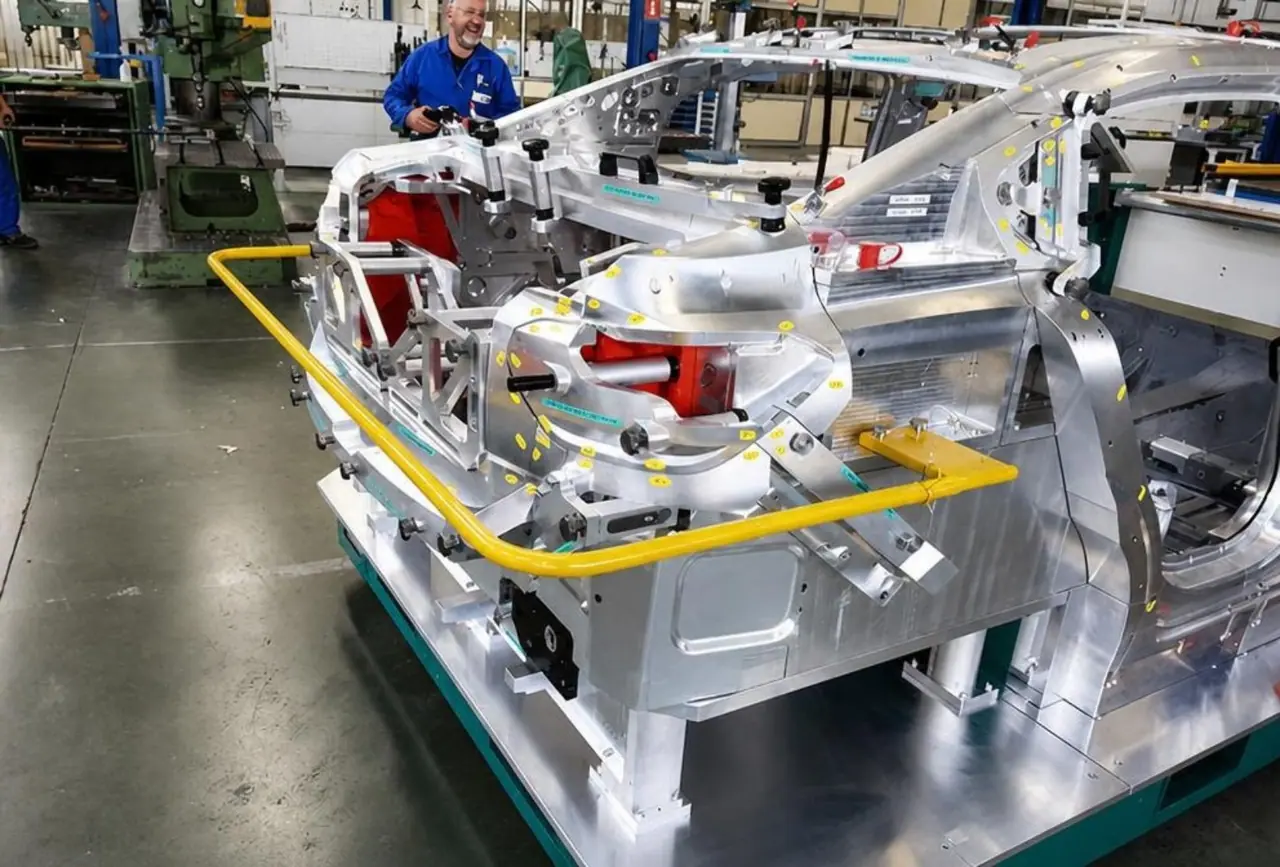
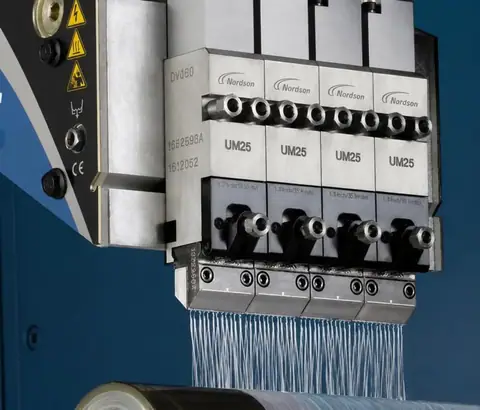

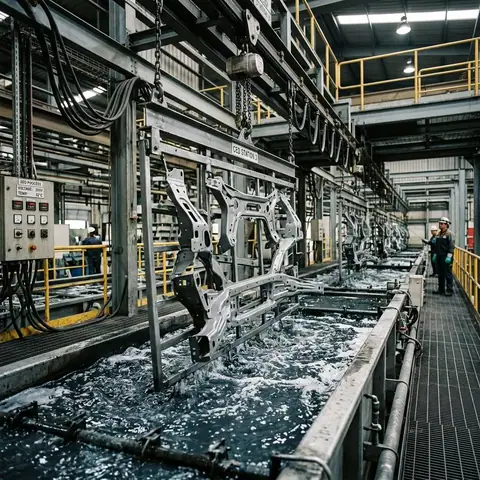

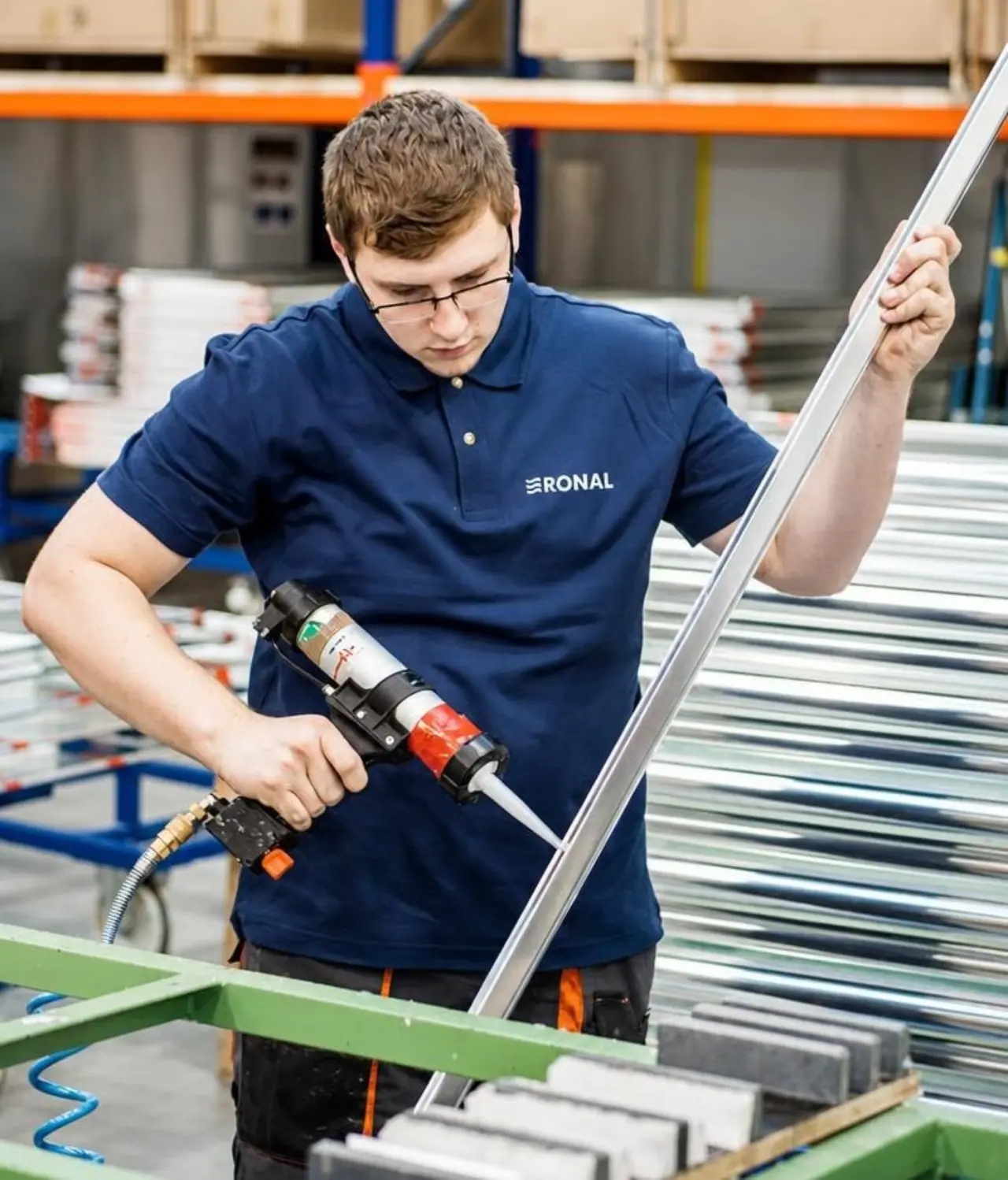
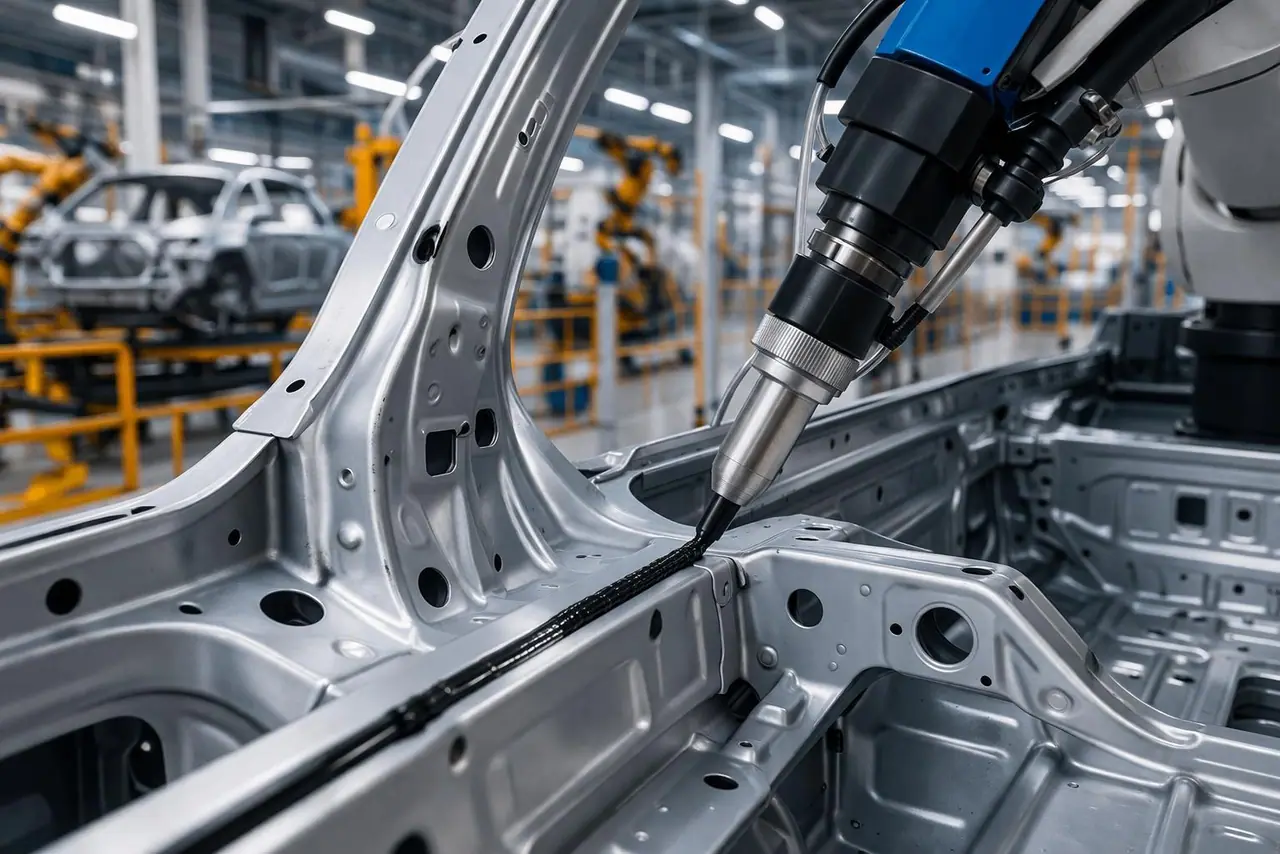
Metal bonding is one of the most important assembly technologies used in the modern automotive and transportation industry. Complementing traditional welding, riveting, and bolted fastening methods, adhesive systems contribute to the production of lighter, stiffer, and more durable structures. Today, adhesive technologies are widely used to assemble metal components in passenger cars, commercial vehicles, buses, trailers, rail vehicles, marine vessels, and a wide range of specialty vehicles.
Vehicle manufacturing incorporates low-carbon steel, high-strength steel, galvanized steel, stainless steel, aluminum, magnesium alloys, and various metal profiles. Since these materials possess different mechanical properties and coefficients of thermal expansion, selecting the appropriate bonding technology is essential to achieving reliable, long-lasting joints.
Adhesive systems distribute loads uniformly across the bonding surface, reducing localized stress concentrations. As a result, they help minimize the deformation associated with welded joints, reduce stress concentrations commonly found in mechanically fastened assemblies, and improve resistance to fatigue cracking. In addition, by limiting direct contact between dissimilar metals, adhesive systems help reduce the risk of galvanic corrosion.
Metal bonding is widely used in the assembly of body panels, structural profiles, door systems, roof assemblies, floor structures, closures, exterior panels, mounting brackets, interior structural components, equipment attachments, and numerous auxiliary assembly applications.
Technologies Used
Polyurethane Technology
Polyurethane-based adhesives are preferred for metal assembly applications requiring high mechanical strength and permanently elastic joints. They maintain joint integrity under dynamic loading conditions, contributing to improved fatigue resistance and long-term structural performance.
Hybrid Polymer Technology
Hybrid polymer-based adhesives are widely used in metal assembly applications because they combine permanent elasticity, high initial grab, and reliable adhesion to a broad range of metallic substrates. They provide outstanding long-term performance in joints exposed to continuous vibration and dynamic loading.
Product ınformatıon
- Senta POLMAX, Senta BONMAX, SOUDAL SoudaFlex Product Group (PU), SOUDAL SoudaSeal Product Group (Hybrid Polymer), SOUDAL FixAll Product Group (Hybrid Polymer)