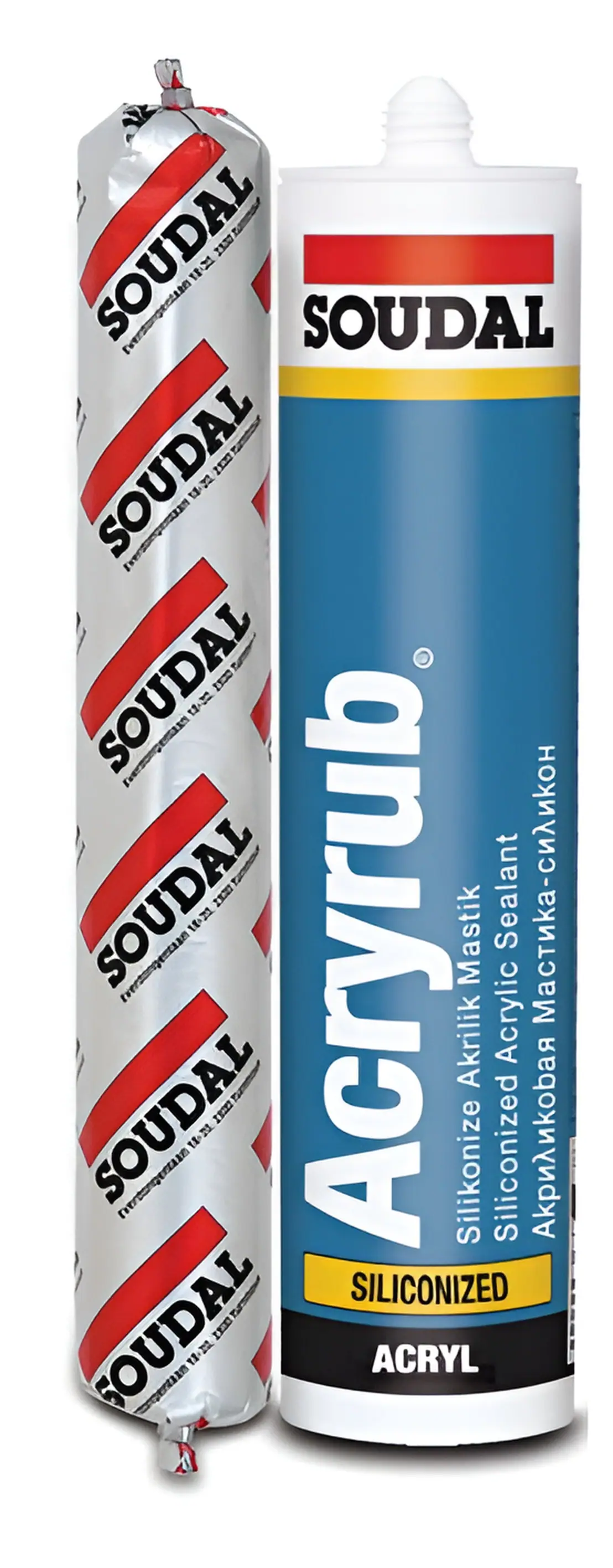
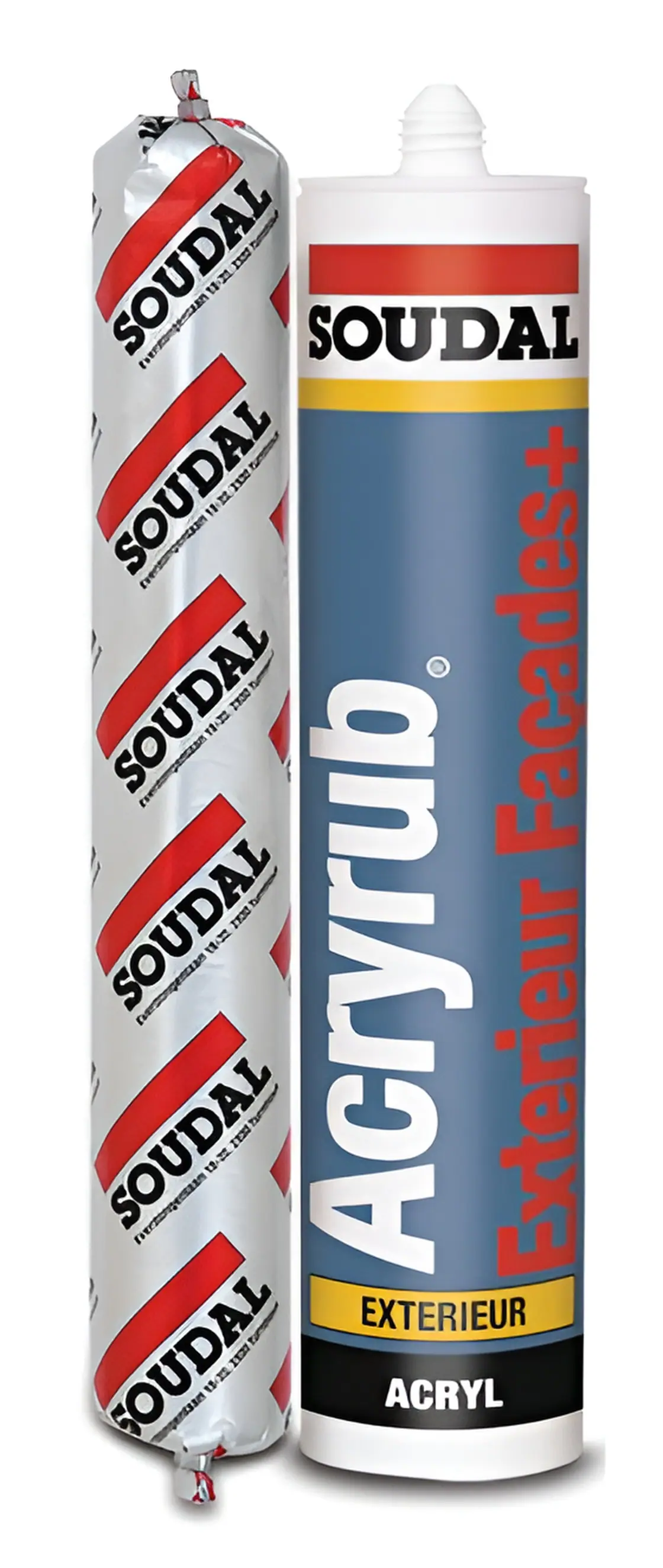
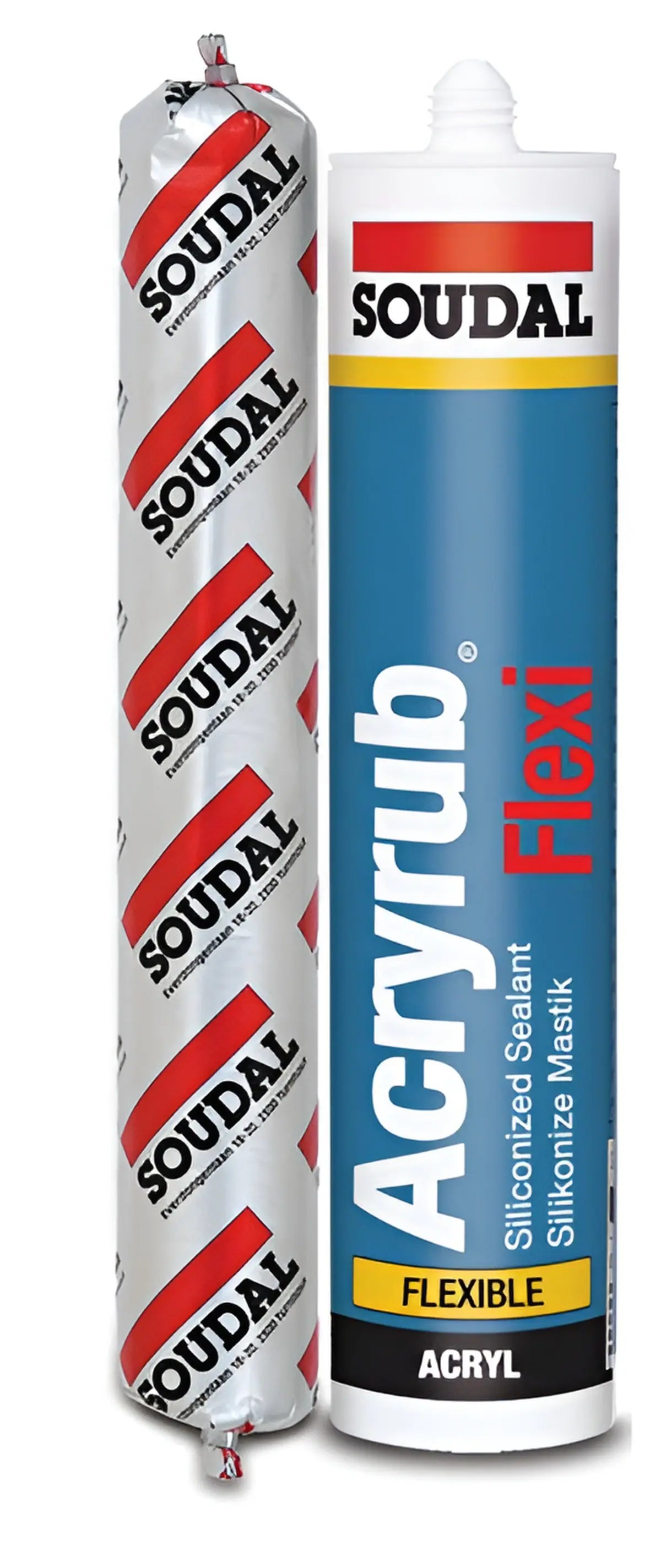
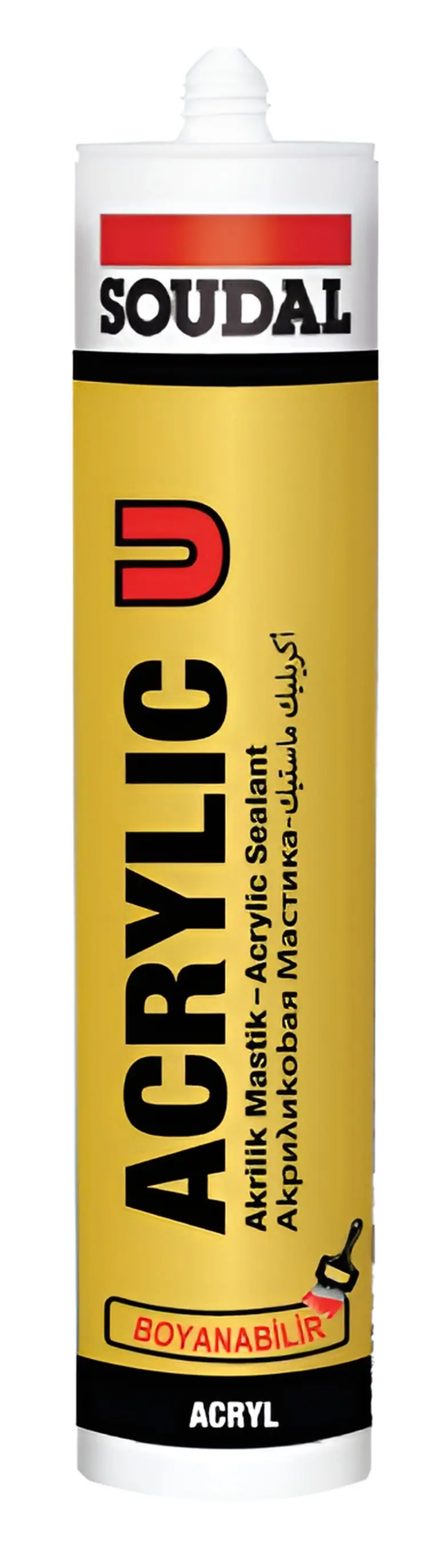
Silicone and acrylic sealants are two different types of sealant with distinct properties that are widely used in the construction industry.
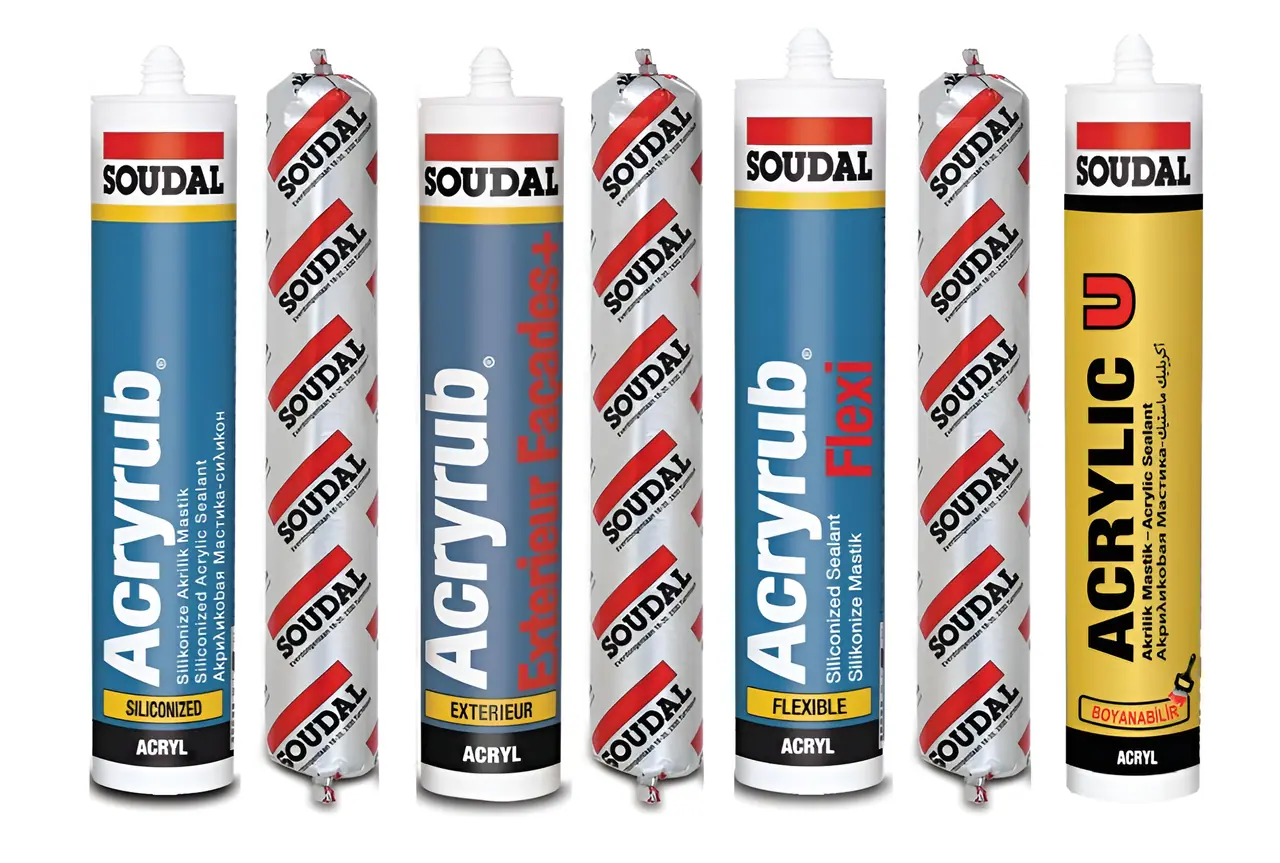
Silicone sealants are generally silicone-based materials and are used to prevent water leakage in wet areas such as bathrooms, kitchens or exterior surfaces with their water-resistant properties. They are also designed for use in outdoor environments and provide resistance to UV rays, weather conditions and various chemicals. Siliconized sealants, with their high flexibility and adhesion ability, enable a permanent bond to be formed between different surfaces such as glass, metal and ceramics.
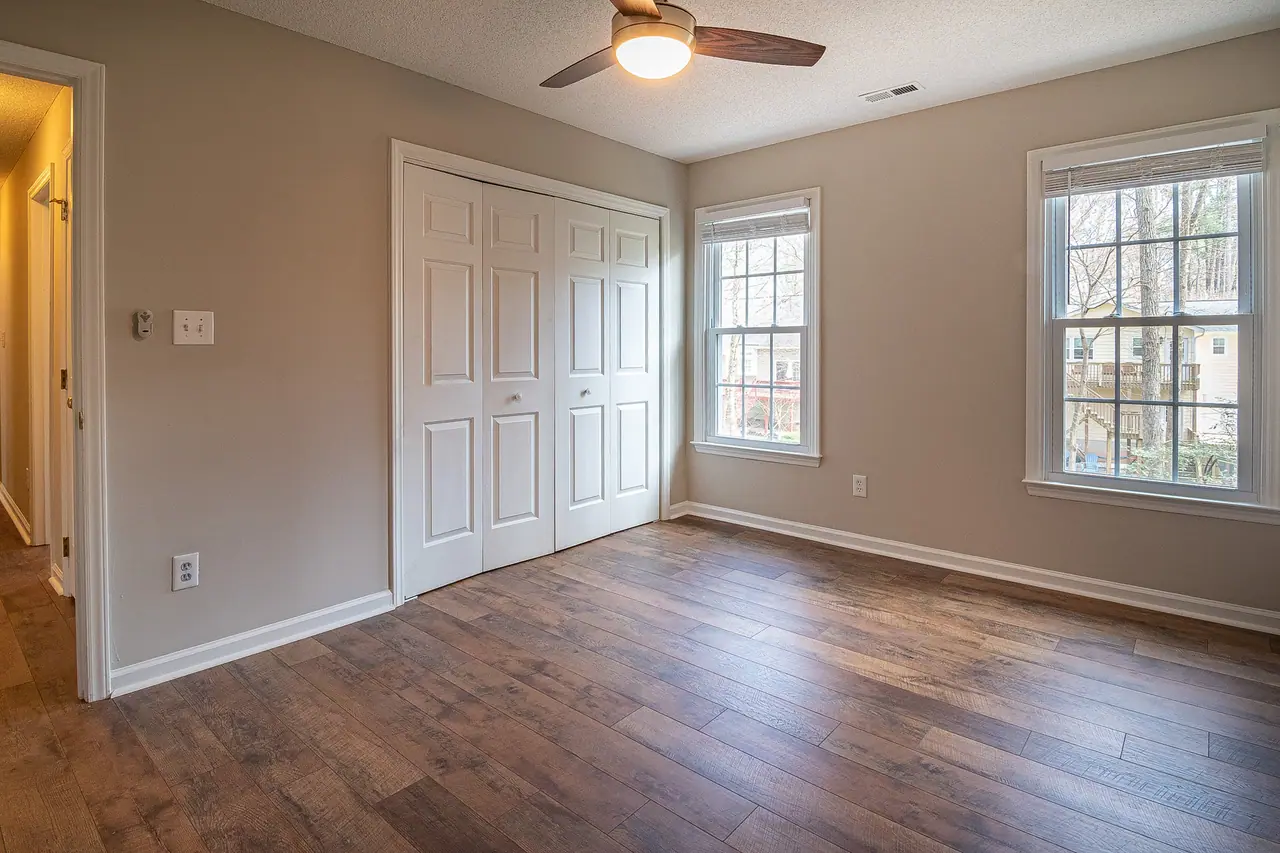
Acrylic sealants are produced from acrylic resins and are generally preferred in interior applications. These sealants are mostly paintable and are used to fill wall cracks and cover wooden and wall surfaces. They are ideal for preserving the aesthetic appearance of structures as they dry and harden easily while retaining their paintable properties.
Siliconized and acrylic sealants offer ideal options for different application areas due to their different properties. Acrylic sealants are generally a more economical option compared to silicone sealants. While siliconized sealants generally offer durable solutions for outdoors and areas exposed to water, acrylic sealants stand out as a more aesthetic and economical option for interior applications. Both types of sealants are important building materials in the construction industry for various purposes such as sealing and filling.