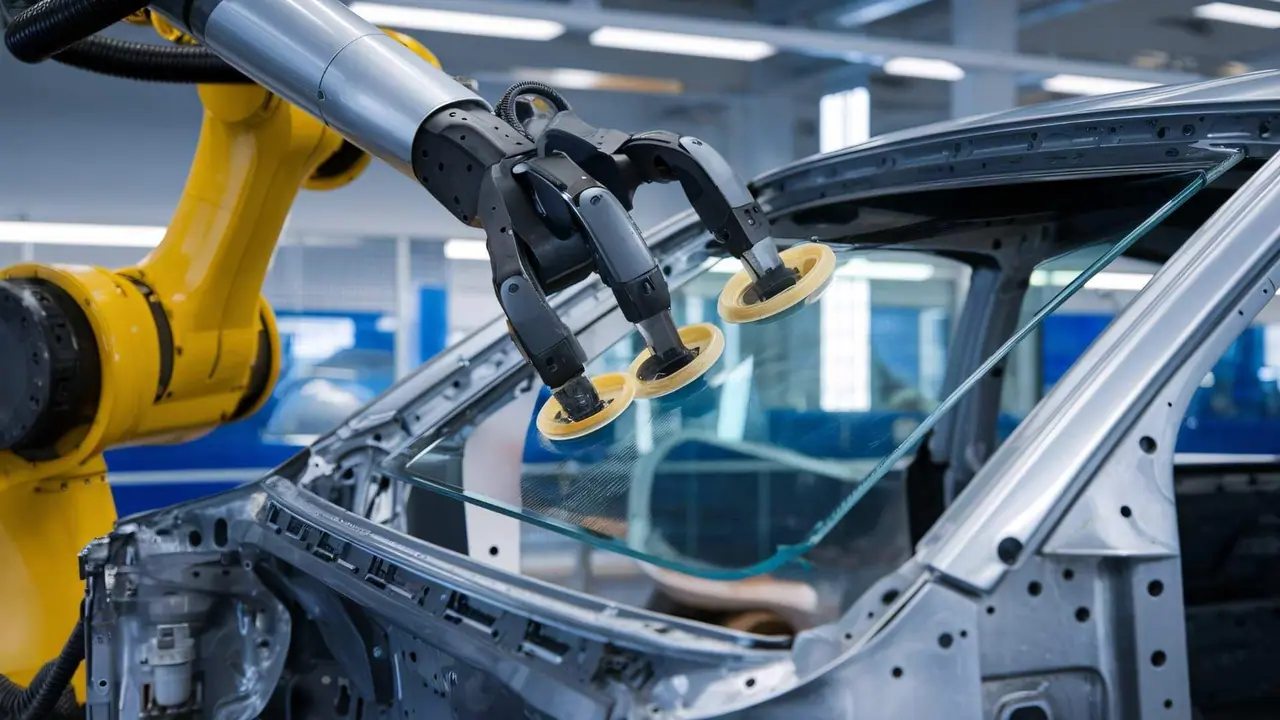
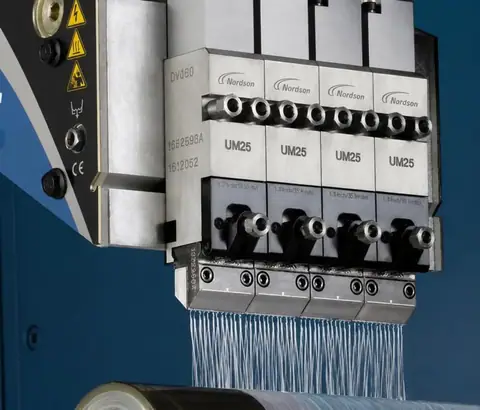

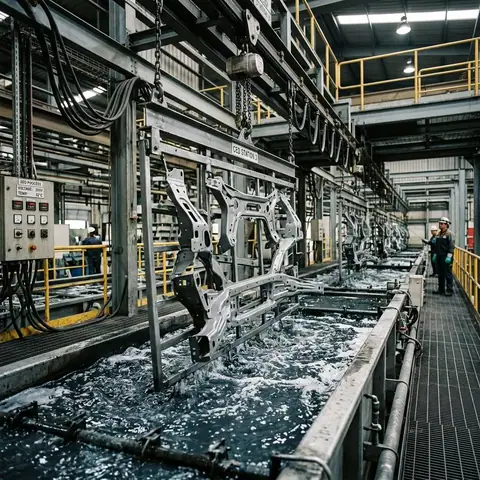

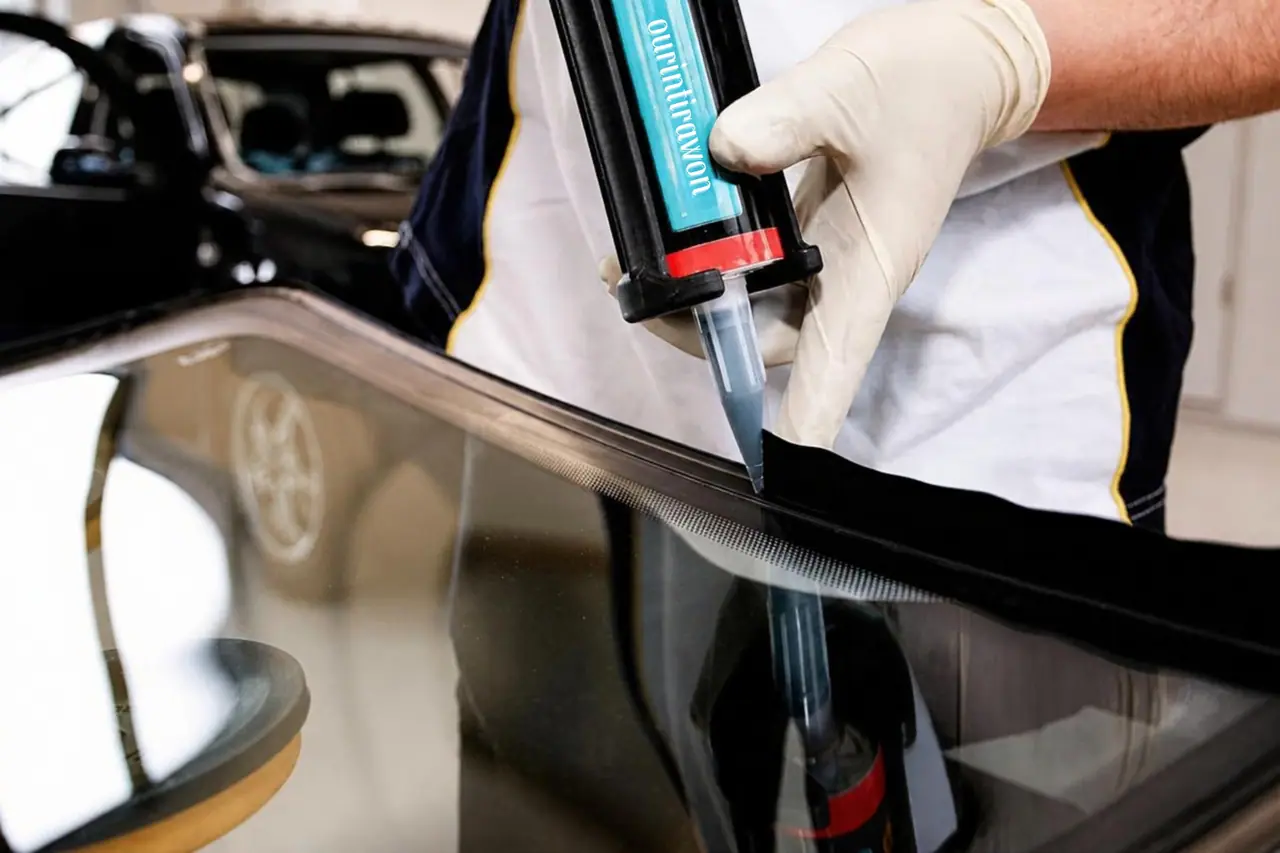
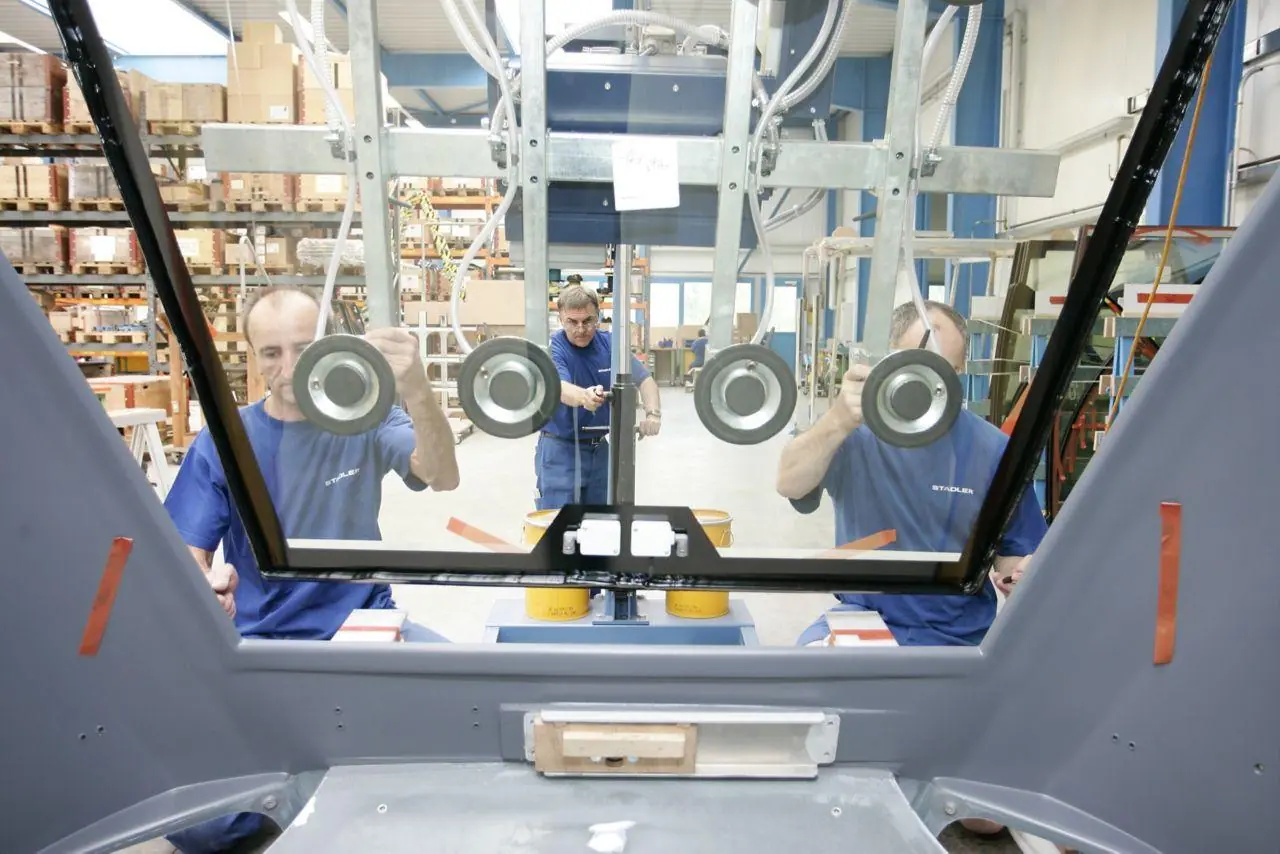
Direct glazing is the process of bonding front, rear, and selected side windows to the vehicle body using elastic adhesives. Today, it is widely used not only in passenger cars but also in light commercial vehicles, heavy-duty trucks, buses, motorhomes, rail vehicles, agricultural machinery, and construction equipment.
In the past, vehicle glazing was primarily installed using rubber gaskets and mechanical retaining systems. Today, adhesive bonding has become the industry standard, fundamentally changing not only the installation method but also the structural design of modern vehicles. In many vehicle platforms, the windshield is now considered an active structural component of the body-in-white.
The elastic bond created by the adhesive provides continuous load transfer between the glass and the vehicle body. This allows torsional forces, road-induced vibration, and differential thermal expansion to be distributed more evenly throughout the structure. By reducing localized stress concentrations, adhesive bonding minimizes the risk of glass breakage while contributing to increased body stiffness.
The secure bonding of the windshield is also essential to the proper performance of passive safety systems. During airbag deployment, for example, the windshield may provide critical structural support. For this reason, windshield bonding adhesives must deliver not only high bond strength but also long-term elasticity and excellent fatigue resistance.
The adhesive bond also acts as an effective sealing barrier, preventing the ingress of water, moisture, dust, and air while protecting the vehicle structure against environmental factors that could lead to corrosion. A continuous adhesive bead provides superior sealing performance compared with conventional gasket-based systems.
In recent years, windshields have become the mounting platform for cameras, rain sensors, light sensors, antennas, and advanced driver assistance systems (ADAS). Consequently, accurate glass positioning and controlled adhesive application have become increasingly important to ensure precise calibration and reliable operation of these integrated systems.
With the growing adoption of electric vehicles, windshield bonding systems have also become more important from an acoustic perspective. As powertrain noise is significantly reduced, road and wind noise become more noticeable. The vibration-damping properties of elastic adhesives therefore make an important contribution to passenger comfort.
Ultimately, direct glazing is one of the key assembly technologies in modern vehicle manufacturing, providing structural integrity, safety, weather sealing, vibration control, acoustic performance, and long-term durability.
Technologies Used
Polyurethane Sealants
The most widely used technology for automotive glass installation is one-component, moisture-curing polyurethane adhesive.
After application, these products form an elastomeric bond that creates a high-strength, permanently flexible connection between the glass and the vehicle body.
Their principal advantages include high bond strength, permanent elasticity, impact resistance, fatigue resistance, vibration damping, long service life, and excellent resistance to water and air leakage.
They are the industry-standard technology for both OEM vehicle production and automotive aftermarket windshield replacement.
Hybrid Polymer Technology
Hybrid polymer technology is one of the most widely used elastic bonding systems.
These isocyanate-free and solvent-free products cure by reacting with atmospheric moisture to create highly durable elastic bonds with excellent adhesion.
Key characteristics include permanent elasticity, low shrinkage, UV resistance, vibration damping, paintability, and excellent weather resistance.
Primer Technology
Primers may be used to enhance the long-term adhesion performance between the ceramic frit on automotive glass and painted metal substrates.
The use of a suitable primer helps reduce moisture-related adhesion loss, improves the durability of the adhesive system against UV exposure, and enhances long-term bond strength.
Primer selection and application should always follow the vehicle manufacturer's approved process specifications.
Product ınformatıon
- Senta POLMAX, Senta BONMAX, SOUDAL Autofix Product Group (PU), SOUDAL SoudaFlex Product Group (PU), SOUDAL SoudaSeal Product Group (Hybrid Polymer), SOUDAL FixAll Product Group (Hybrid Polymer)