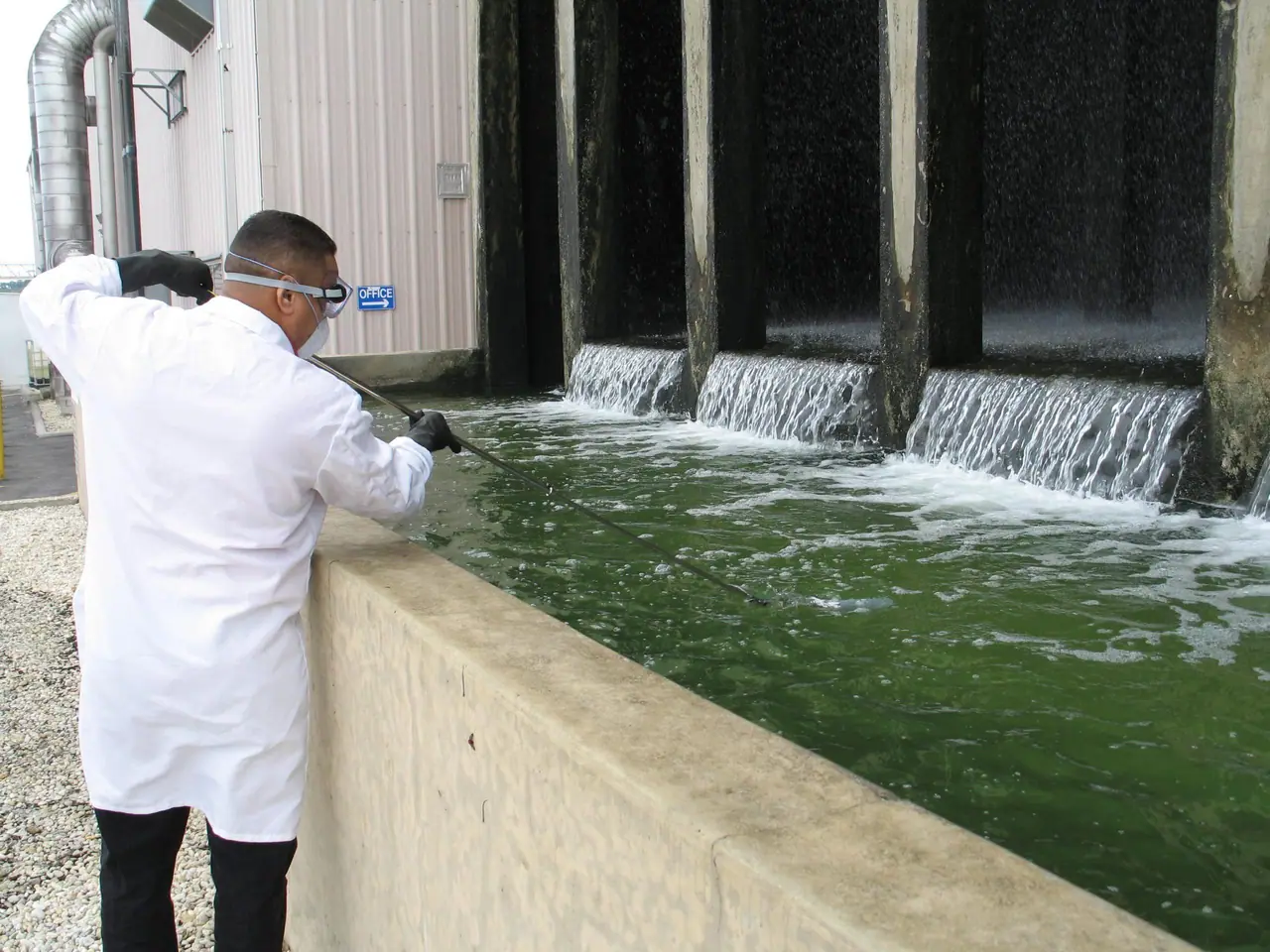
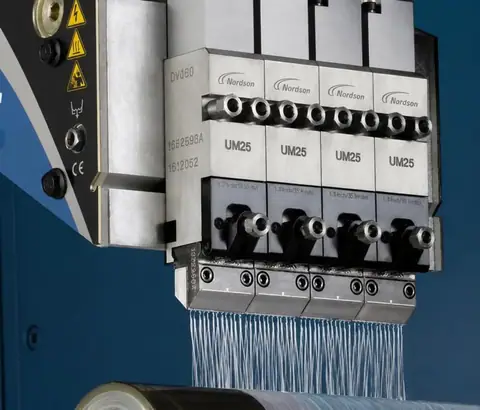

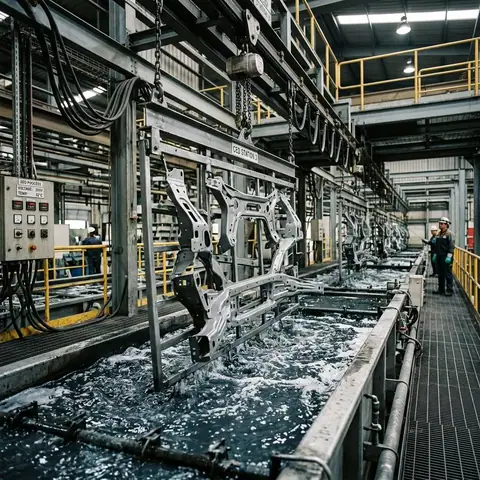

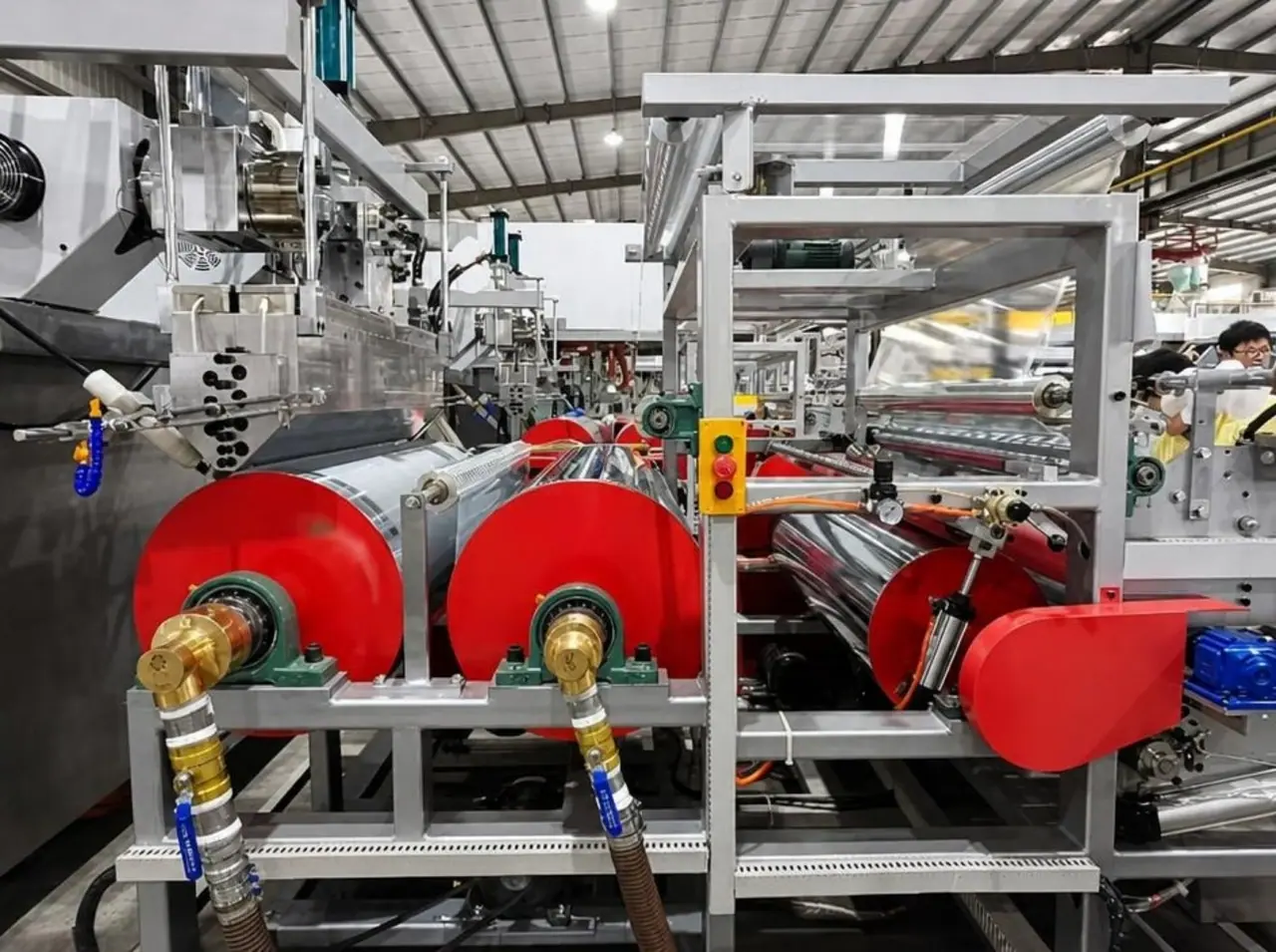
In packaging manufacturing facilities, chiller systems, cooling towers, and open- or closed-loop process water systems may be used to control the heat generated during printing, lamination, extrusion, coating and other processes. The operating conditions of these auxiliary systems are important for maintaining production equipment temperatures and supporting process continuity.
Dissolved minerals in the water, temperature fluctuations and system operating conditions may lead to the gradual formation of scale and mineral deposits in pipes, heat exchangers and other water-contact surfaces. Accumulated deposits can create additional resistance on heat-transfer surfaces, potentially altering the operating characteristics of the system. In addition, corrosion that may develop on metal surfaces requires both the physical condition of the equipment and the water chemistry to be monitored together.
The maintenance approach can be considered in two main stages. Controlled chemical cleaning may be applied to remove existing scale and deposits, while during normal operation, scale and corrosion control measures are implemented according to water characteristics and system conditions. During chemical cleaning, factors such as concentration, contact time, system materials and rinsing requirements should be taken into account.
The purpose of the chemicals used in these systems is not limited to removing existing deposits. Controlling the formation of new deposits through an appropriate water treatment approach and maintaining suitable operating conditions for metal surfaces are also important aspects of the maintenance program. Auxiliary water systems should therefore be regarded not as systems independent of the main production line, but as an integral part of the process infrastructure in packaging manufacturing facilities.
Product ınformatıon
- Concentrated Heavy-Duty Mortar, Concrete and Limescale Cleaner, Process Water Scale and Corrosion Inhibitor