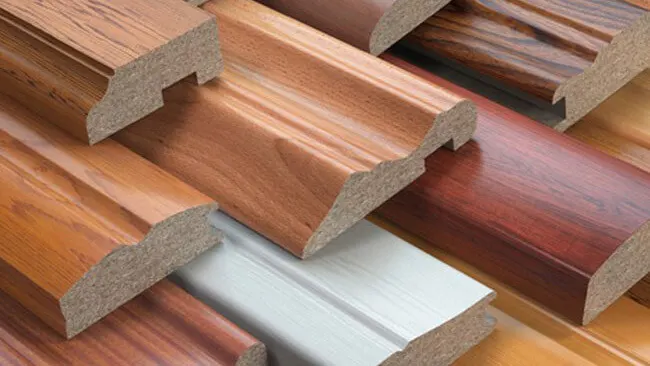

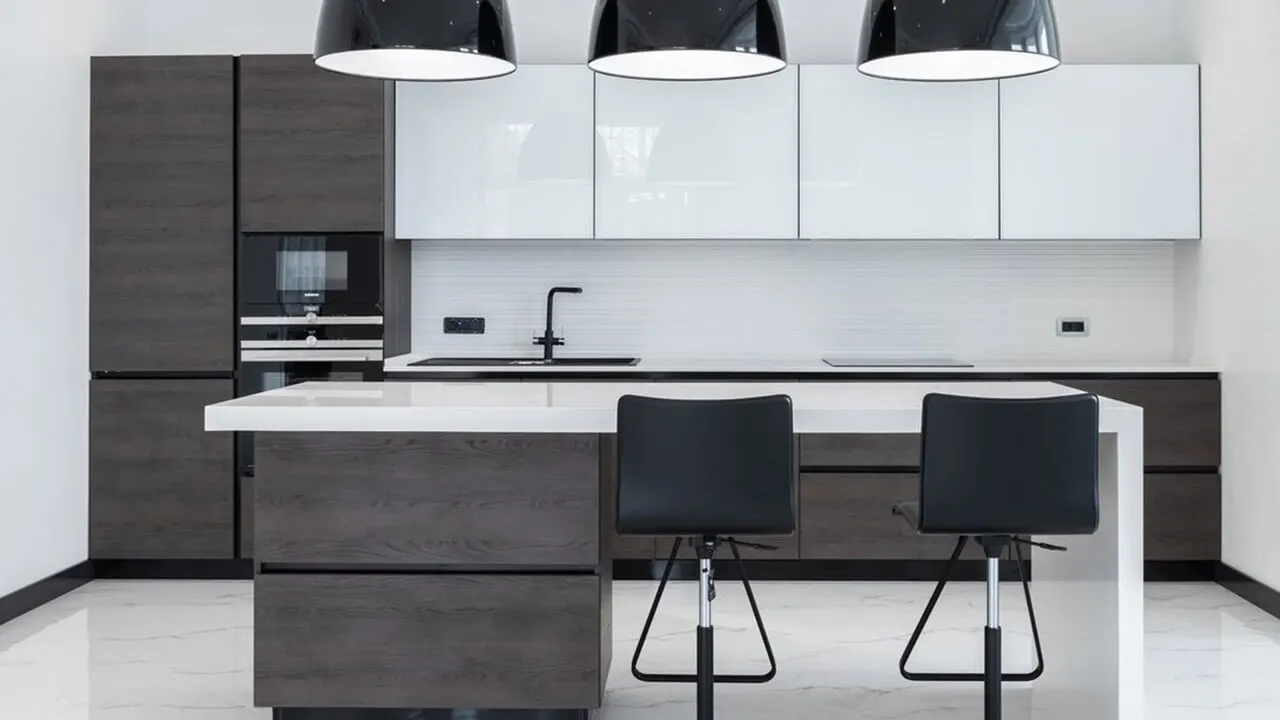
Membrane pressing (3D vacuum lamination) lets routed MDF doors be covered with PVC or PET foil as if in one piece. It is very common for kitchen and bathroom cabinets.
How the process works
- The MDF door is routed and thoroughly dedusted.
- PU dispersion adhesive is spray-applied and dried.
- The foil is heated and pressed onto faces and edges by vacuum and membrane pressure.
- Heat activates the dried adhesive film and bonds it to the foil.
Why PU dispersion?
The dried film becomes tacky again with heat (heat activation), so the adhesive can be applied in advance and stored. Adding a crosslinker (2K) noticeably increases heat resistance, which matters for doors near ovens and dishwashers.
Common defects
| Defect | Likely cause |
|---|---|
| Lifting at edges | Low coat weight, activation temperature too low |
| Bubbles | Incomplete drying, dust on the MDF |
| Delamination over time | Low heat resistance, no crosslinker |
| Orange peel on surface | Thick or uneven spraying |
Tips
- Keep coat weight on profiled edges slightly higher than on flat faces.
- Watch the pot life of the crosslinked mix.
- Compare the foil supplier's recommended activation temperature with the adhesive data sheet.
Need support with your application?Our technical team supports product selection and line trials.
Request a Quote