




Dieser Artikel ist derzeit nur auf Englisch verfügbar.
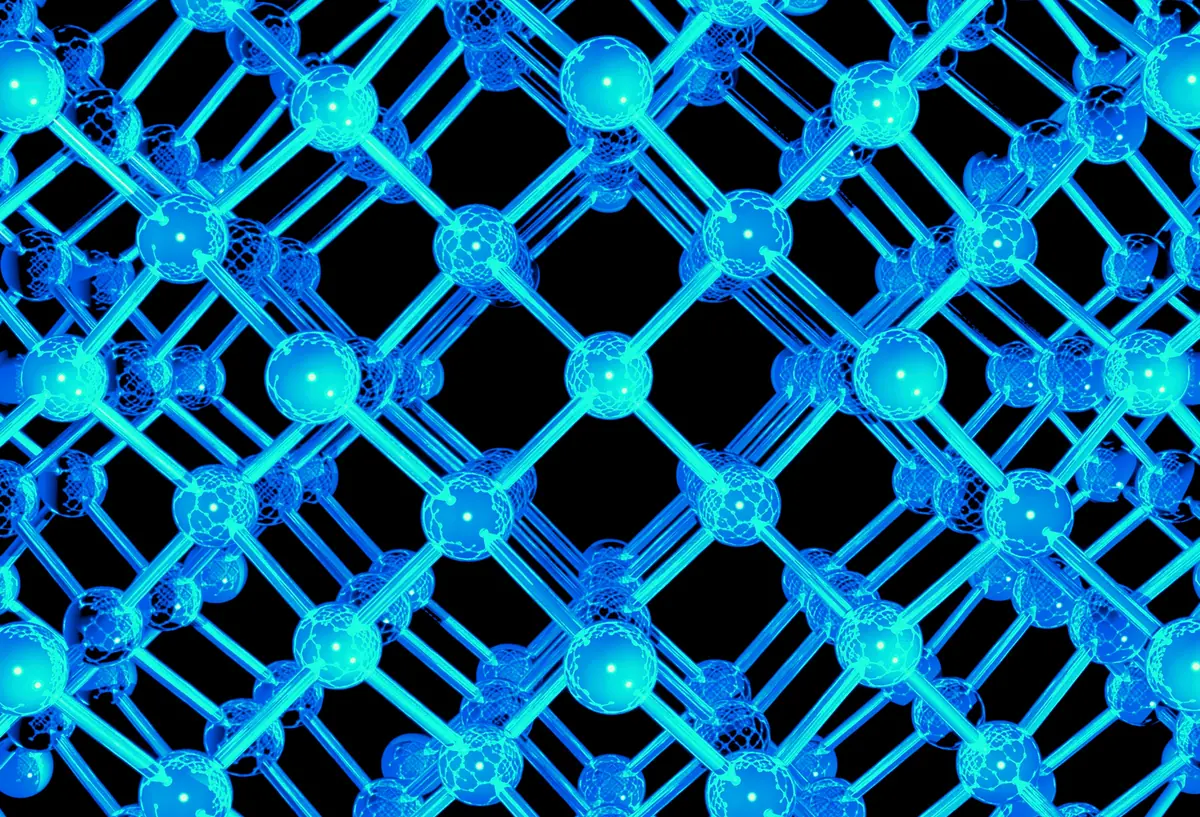
- Elements are mostly found as molecules and compounds in nature.
The forces holding the atoms in the molecule and compound together are called chemical bonds. Chemical bonds are divided into two as ionic and covalent, according to the type of atoms.
Ionic bond is based on electron exchange between metal and nonmetal atoms, while covalent bond is based on electron sharing between nonmetal atoms. While the ionic bonding takes place between elements with 1, 2, 3 electrons in their last layer (metals) and elements with 5, 6, 7 electrons in their last layer (nonmetals); the covalent bond is formed as a result of electron sharing of elements that have 5, 6, 7 electrons in the last layer (nonmetals).
- Ionic bond forms molecules, while covalent bonds do not.
In the case of covalent bonding, the molecular geometry around each atom is determined by the VSEPR rules, while in ionic materials the geometry follows the maximum tightpack rules.
PUR (Polyurethane reactive) Adhesive and EVA (ethylene vinyl acetate) Adhesive Comparision