

Dieser Artikel ist derzeit nur auf Englisch verfügbar.
- Hot Melt Adhesives / CoPA, EVA, PO, (PA), (PE), (Amorph PE)
- Reactive Hot Melt Adhesives / PUR, POR
- Dispersion Adhesives / PVAc, EVA, PU, Copolymer
- Solvent-based Adhesives / CR, SC, PU
- Reactive One- and Two-Component Systems / PU Polymers, SE Polymers, Epoxy Resins
- Pressure-Sensitive Adhesives / PSA Hot Melt
- Primers / Water-based Primers, Solvent-based Primers, Wash Primers
- Cleaning and Flushing Agents / Release Agents, Cleaners, Flushing Agents
- Foams (Assembly Foams), Sealing Compounds (Sealents), Synthetic Rubber and STP Adhesives
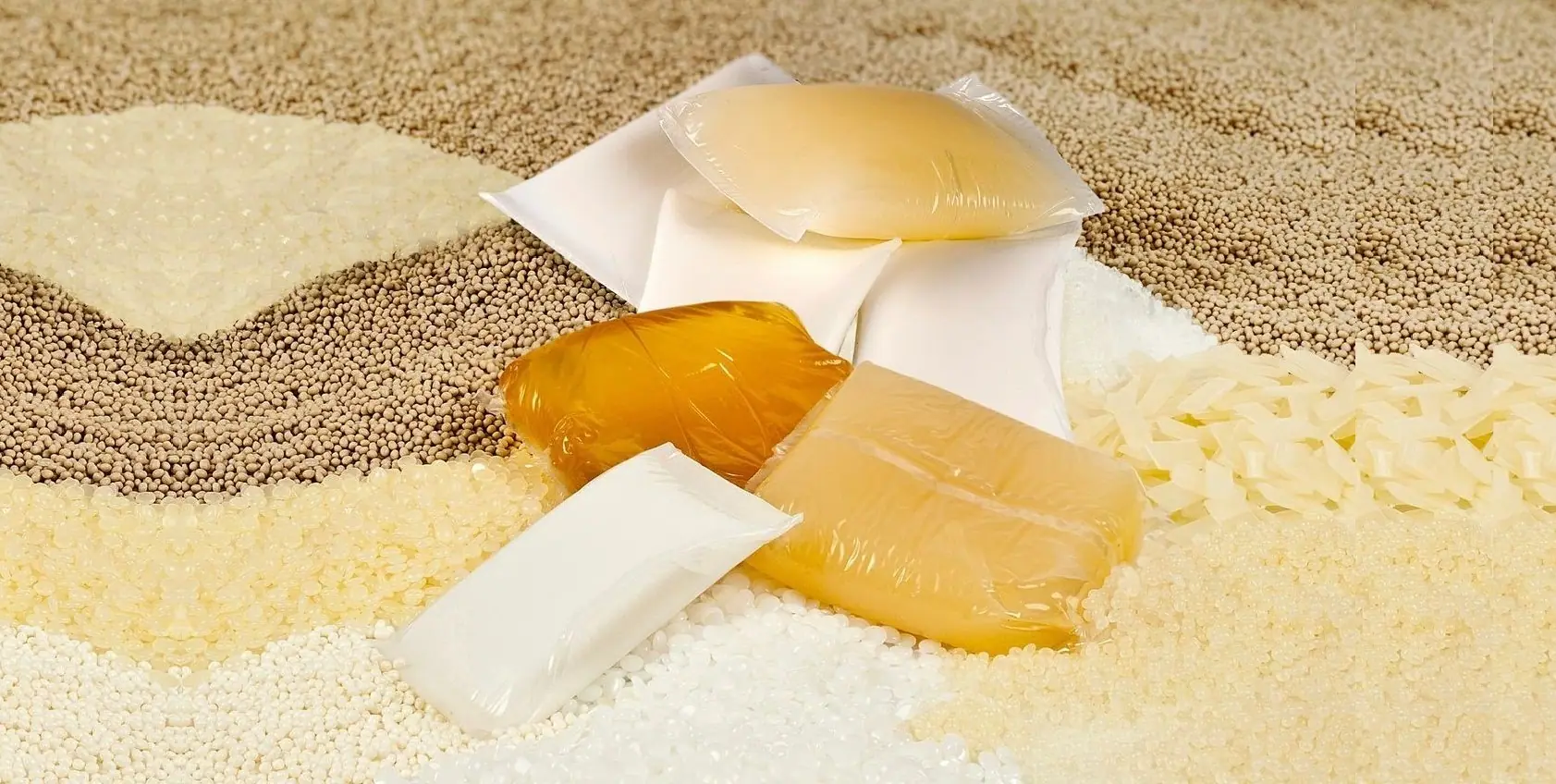
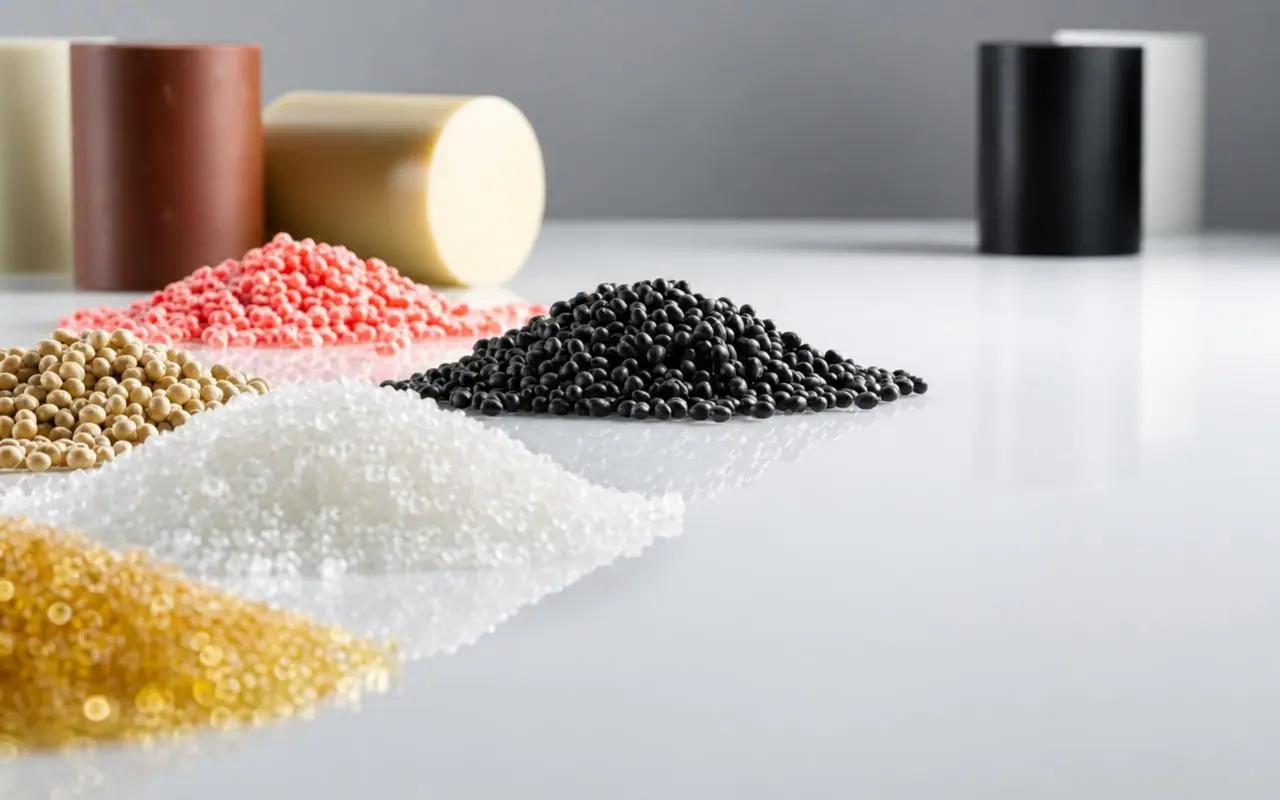
Hot Melt Adhesives
EVA Hot Melt Adhesives
- These EVA based adhesives constitute the most common type of adhesives in the market.
The softening point is not standard in these adhesives and could be different depending on the company. Their properties are adjusted according to the relevant requirements like heat resistance, bond strength or operating speed of existing machines and production lines. Manual application is also possible.
- EVA products are preferred for their low smoke emission, low flammability, less odor, low VOC and excellent aging resistance.
- They achieve strength directly after cooling/crystallisation and temperature resistance up to 90 °C.
Advantages:
- Standard processing temperatures
- High initial tack
- Good price-performance ratio.
Depending on the requirements, these hot melt adhesive systems are typically used in the wood industry (finishing furniture edges or wrapping profiles for interior use), plastic processing industry (including the filter industry), paper processing, assembly bonding and in handicraft applications.
PA Hot Melt Adhesives
- PA hot melt adhesives offer excellent heat resistance as well as very good chemical resistance.
They are highly resistant to fuels and motor oils over a wide temperature range. Due to these properties, these adhesives are frequently used in the industrial production of automotive filters as filter papers are usually bonded. Furthermore, thermoplastic polyamide hot melt adhesives are used in the furniture industry where bonded components are subjected to especially high mechanical and thermal stress. Typical applications include edge banding, assembly bonding and filling voids during the direct postforming process.
PO Hot Melt Adhesives
- PO hot melts have good adhesion properties to different plastics together with heat resistance and a favorable price-performance ratio.
The adhesion to polyolefins without pre-treatment and the elastic properties of the adhesive bond line are especially important features of these hot melt adhesives.
- They achieve strength directly after cooling/crystallisation and temperature resistance up to 120 °C.
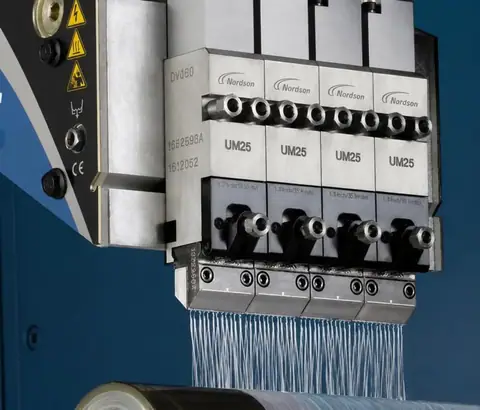
Reactive Hot Melt Adhesives
Reactive PUR Hot Melt Adhesives
These hot melt adhesive systems react with moisture from the material to be bonded or the working environment and form adhesive bonds. In addition to the physical effect through the hardening of the liquid adhesive, there is also an additional chemical reaction which positively influences the bond properties.
- Polyurethane-based hot melt adhesives combine two important advantages of traditional adhesive groups:
The bond has high strength through the fast cooling of the adhesive during the assembly process so further fixing or pressing is generally not required.
Afterwards crosslinking takes places with moisture from the substrates or the ambient air which gives PUR hot melts their high temperature and moisture resistance.
- With regard to the bonding properties or water and temperature resistance, PUR hot melt adhesives are hard to beat.
- Due to the short to medium open time, application should take place under defined conditions.
Advantages:
- Extraordinary green strength for the shortest press times (Reactive PUR hot melts have a slightly lower green strength compared to EVA hot melts).
- High initial strength.
- 100% solids content.
- Solvent-free.
- Glue line is extremely resistant against heat, cold, moisture and chemicals.
- Permanent flexibility even at low temperatures.
- Low processing temperature.
- Very good aging resistance.
Depending on the requirements, these hot melt adhesive systems are typically used in furniture production, automotive industry, paper processing, electronics and textile industries. From profile wrapping to edgebanding and a wide variety of assembly bonds, everything is possible. The application takes place with suitable machines, lines and equipment.
Reactive PO Hot Melts
Bonds with reactive PO hot melt adhesive combine the properties of PO hot melts with the additional advantages of a long-lasting adhesive bond line, which cannot be re-melted, with maximum temperature, water and chemical resistance.
Their properties are adjusted depending on the respective requirements, e.g. heat resistance, bond strength or line speed of the existing machines and lines. Manual application is also possible.
Advantages:
- Standard processing temperatures
- High initial tack
- Good price-performance ratio.
The applications of these adhesive systems are diverse where typically used in the wood, plastic and filter industries. Excellent suitability for bonding in furniture production, filter production, paper processing and for assembly bonding.
Dispersion Adhesives
PVAc Dispersions
PVAc-based adhesives solidify by the evaporation of water or the absorption of the water by material being adhered to. As the evaporation rate of water is slow, the drying time is longer than hot melts. These adhesives are typically white in their liquid dispersion form, very thin and darker than liquid. They have the minimum negative effect to human health and environment as they are water-based.
- They have the highest consumption rate in the adhesive group and used in the paint and textile industries.
EVA Dispersions
In these emulsions, vinyl acetate contributes to hardness and cohesive strength, while ethylene gives flexibility, elasticity and chemical resistance.
Solvent-based Adhesives
These adhesives containing large amount of solvent have advantages with their adjustable drying times, superior bonding strength, resistance to highly humid environments.
The adhesives are usually applied by spray gun. The solvents in these cases serve as processing aids which evaporate during spray application and afterwards.
Solvent-based adhesives facilitate fast application and assembly processes due to high green strength, especially in high-tension bonding, short pressing times with little pressure and a fast build-up of cohesion, and are therefore the basis for efficient, labor intensive manufacturing.
These adhesives are processed by one or two sided application on the substrate to be bonded. The dissolved resins, which make the bond possible, are kept liquid by means of the solvent. The solvent volatilizes through evaporation but the resin remains tacky to allow precise assembly of the substrates. The bond is achieved by application of the correct pressure.
Advantages:
- Good heat resistance as a one-component adhesive
- High temperature and humidity resistance
- Good adhesion to plastics and metals
- High tensile adhesion as well as short pressing times and fast cohesion resulting in dense, efficient production.
- This adhesive system is mainly used in the production of shoes, saddlery, carpenters and also in profile wrapping.
- Reactive One and Two-Component Systems / PU-Polymers, SE-Polymers, Epoxy Resins
1C PUR Adhesives
These adhesives cure through cross linking with moisture from the air and the substrate. The bonds are extremely strong and temperature and water resistant.
These adhesive systems are especially used for difficult to bond materials like stone and plastics, all types of wood (e.g. windows, doors, stairs etc.) and panel bonding.
2C PUR Adhesives
- Through targeted addition of a hardener (catalyst), PUR adhesives fulfill given production time frames with all of the desired bonding properties.
- Two component PUR systems are not dependent on moisture.
- These adhesive systems are especially used for filter production, sandwich panels, lightweight panels, fiber cement bonding, sealing foams, etc.
Advantages:
- 100% solids content
- Solvent-free
- Top adhesive properties on several common substrates
These adhesive systems are particularly characterized by their performance in regards to the high requirements concerning climate change conditions, especially high temperature resistance
- The bonds are especially characterized by their high strength and resistance to temperature and water
- The application of two component systems takes place with an automatic mixing and dosing unit.
Pressure-Sensitive Adhesives
These adhesives forms a simple bond with a low pressure-sensitive relationships. These products are always sticky and designed for permanent or removable applications.
They are permanently sticky during processing and an elastic glue line with good moisture resistance. Good adhesion to almost all surfaces as these are the main characteristics of pressure-sensitive adhesives.
- They guarantee permanent stickiness during the manufacturing process.
Primers
- Primer is an adhesive agent between the adhesive and substrate. It improves the bond on surfaces which are typically difficult to bond to.
- The primer application takes place in a thin yet even coat on the entire surface.
- Primers are especially used for all difficult surfaces. For example; plastic profiles for wrapping or also metals like aluminium, etc.
Cleaning and Flushing Agents
- Foams (Assembly Foams) and Sealing Compounds (Sealents) and Synthetic Rubber and STP Adhesives
STP Adhesives
STP adhesives creating highly resilient construction bonds have become increasingly popular as a true all-rounder with their wide range of use and excellent processing properties
- Excellent adhesion on materials and substrates
- Easy to use
- Can be painted over
- Very high green strength
- Permanently elastic
- Bubble free curing
- Solvent-free
- Moisture curing
- Exceptional resistance against heat, cold, water and UV light
- Primerless bonding on metals, glass, ceramic and different plastics
Suitable for elastic fixing, bonding and assembly of different materials. Excellent for bonding glass or metal-to-metal (stainless steel). Frequently used in Bus - Truck - Rail applications and also in wind turbines due to its excellent resistance against weather and UV light. STP adhesives are used for a variety of industrial applications as well as for assembly and construction where it is possible to bond glass, aluminum and stainless steel without primer.