

In modern buildings, fire safety extends far beyond fire suppression systems. Passive fire protection measures that delay the spread of fire, hot gases, and smoke between different compartments of a building are an essential part of overall building safety.
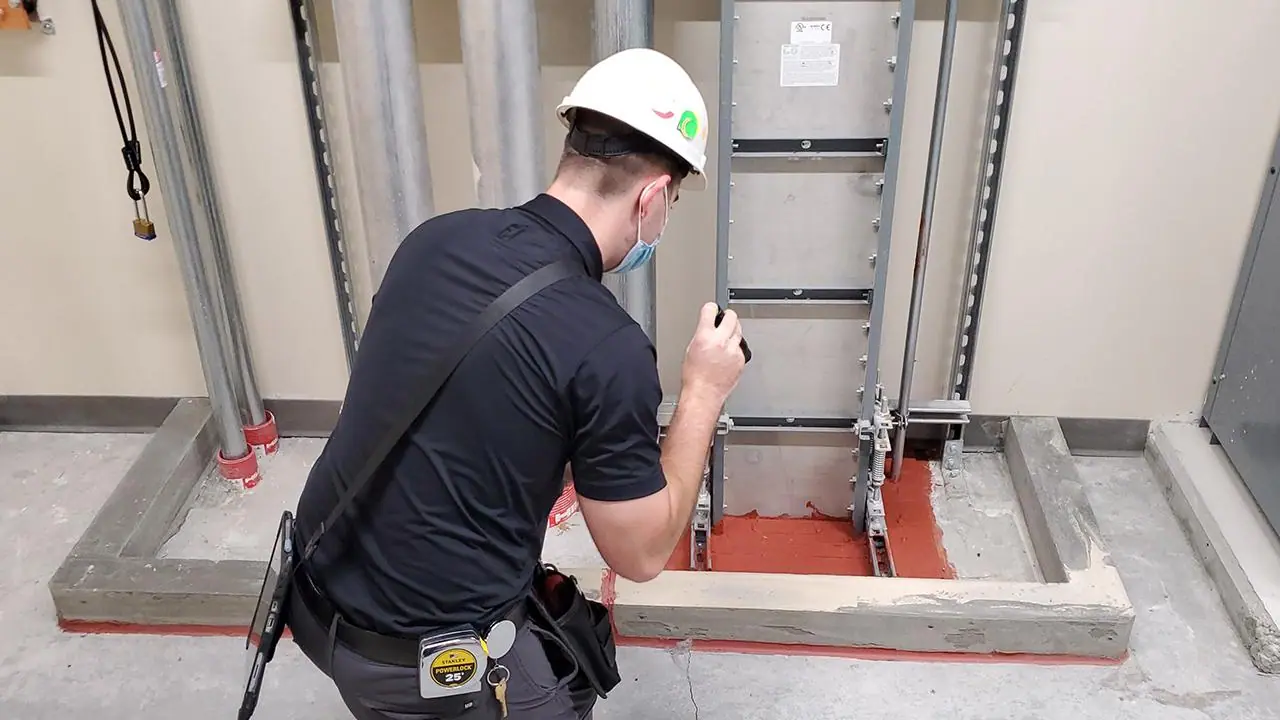
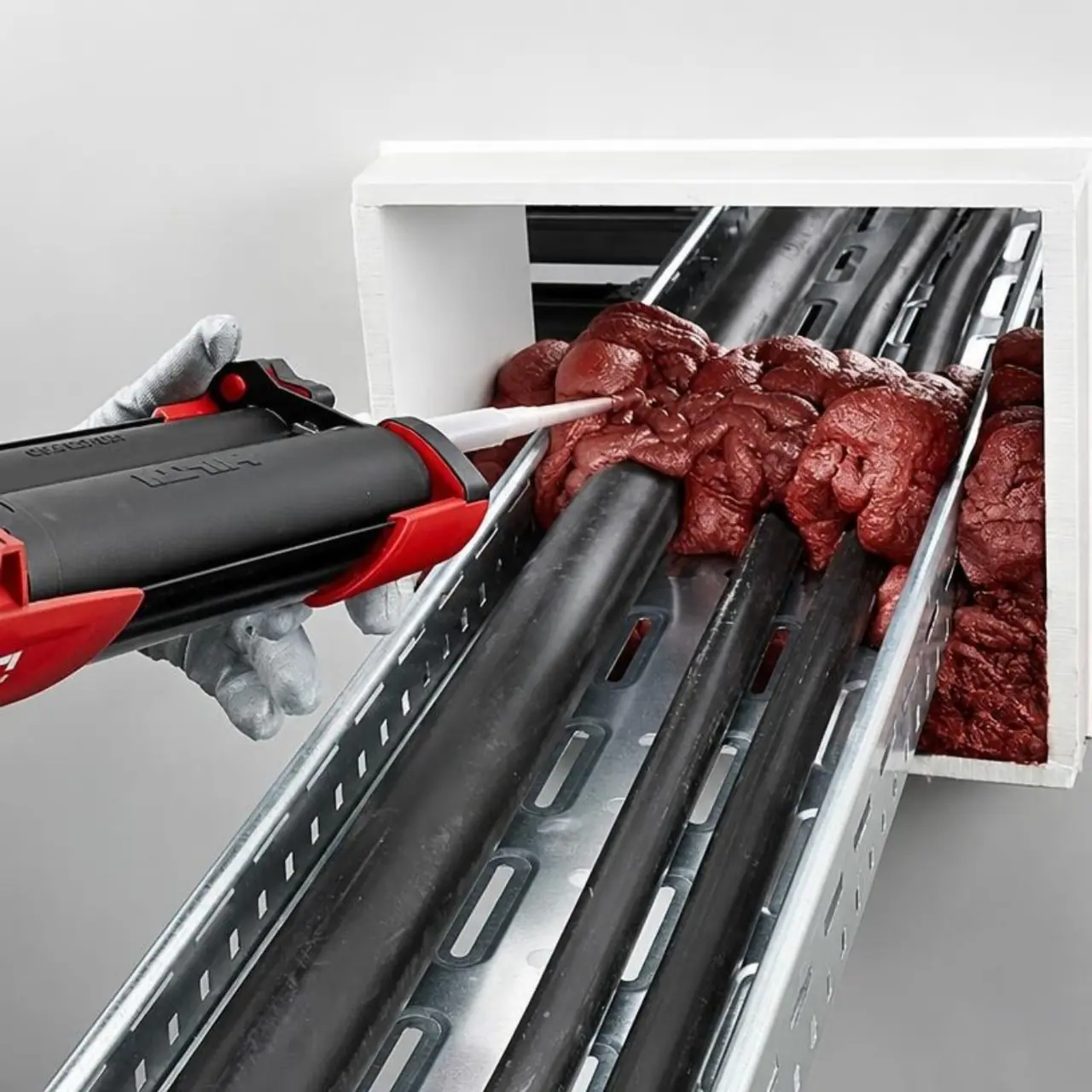
Firestop systems are designed to seal service penetrations and movement joints passing through fire-rated walls, floors, and partitions, ensuring that these assemblies maintain their fire resistance for a specified period.
These systems help to:
Delay the spread of fire to adjacent compartments
Restrict the passage of smoke
Improve the safety of evacuation routes
Maintain the fire resistance performance of the building.
Firestop systems are widely used in the following applications:
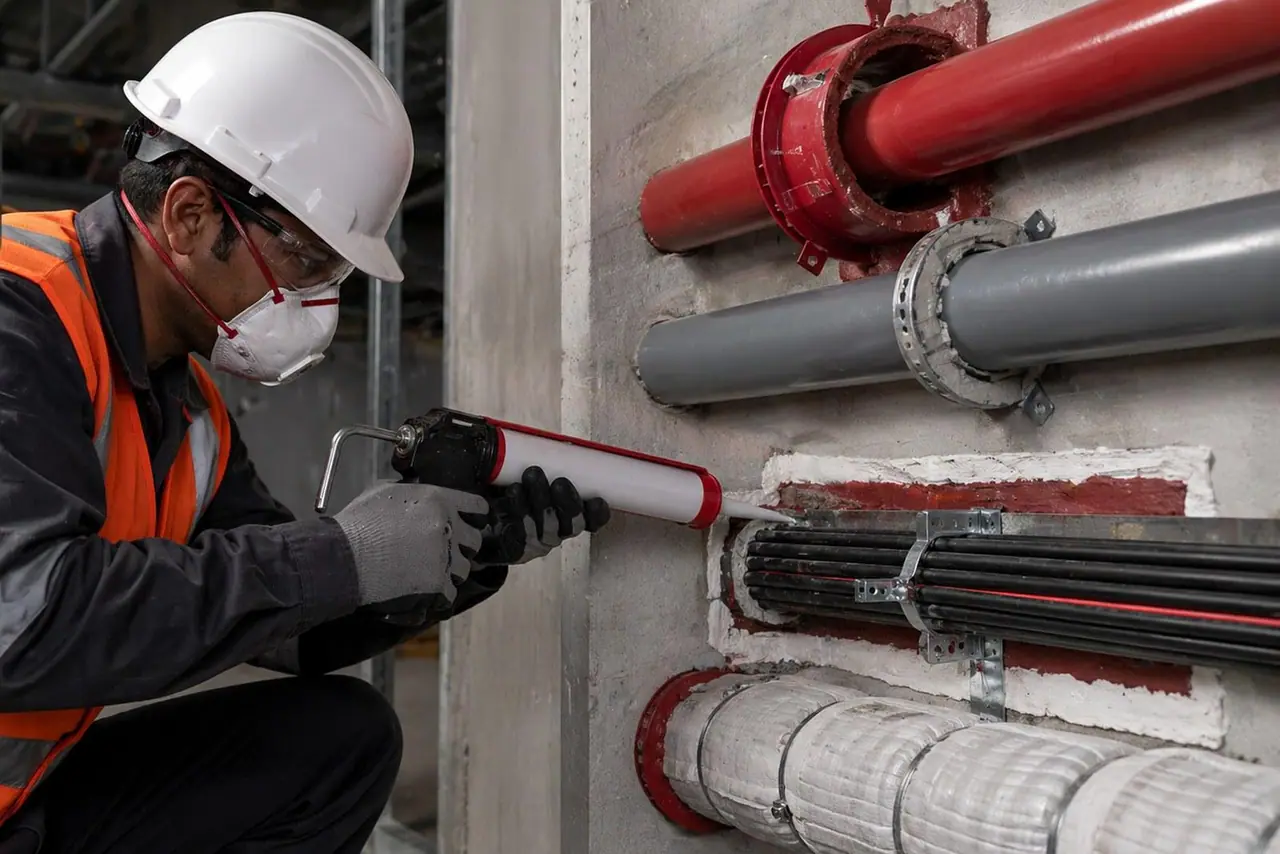
Electrical cable penetrations
Cable trays
Plastic pipe penetrations
Metal pipe penetrations
HVAC duct penetrations
Floor penetrations
Fire-rated partition walls
Façade-to-floor slab joints
Fire-rated movement joints
Service shafts.
In these applications, the products used must do more than provide effective sealing. They must also be tested as part of a certified firestop system and be capable of maintaining the specified fire resistance rating for the required duration.
Technologies Used
Fire-Rated Acrylic Sealants
Fire-rated acrylic sealants are one-component products designed for firestop joints with limited movement capability.
When exposed to fire, they expand to help seal the opening and restrict the passage of smoke.
Typical applications include cable penetrations, small service openings, and fire-rated wall joints.
Fire-Rated Polyurethane Foams
Fire-rated polyurethane foams are specially formulated for filling installation gaps where fire resistance is required.
They can be used around door frames, window installations, and selected partition systems as part of tested and approved firestop assemblies.
Product ınformatıon
- Senta FIREX, SOUDAL Firecryl FR (Acrylic Sealant), SOUDAL Fire Silicone B1 FR (Silikon), SOUDAL SoudaFoam FR (PU Foam)