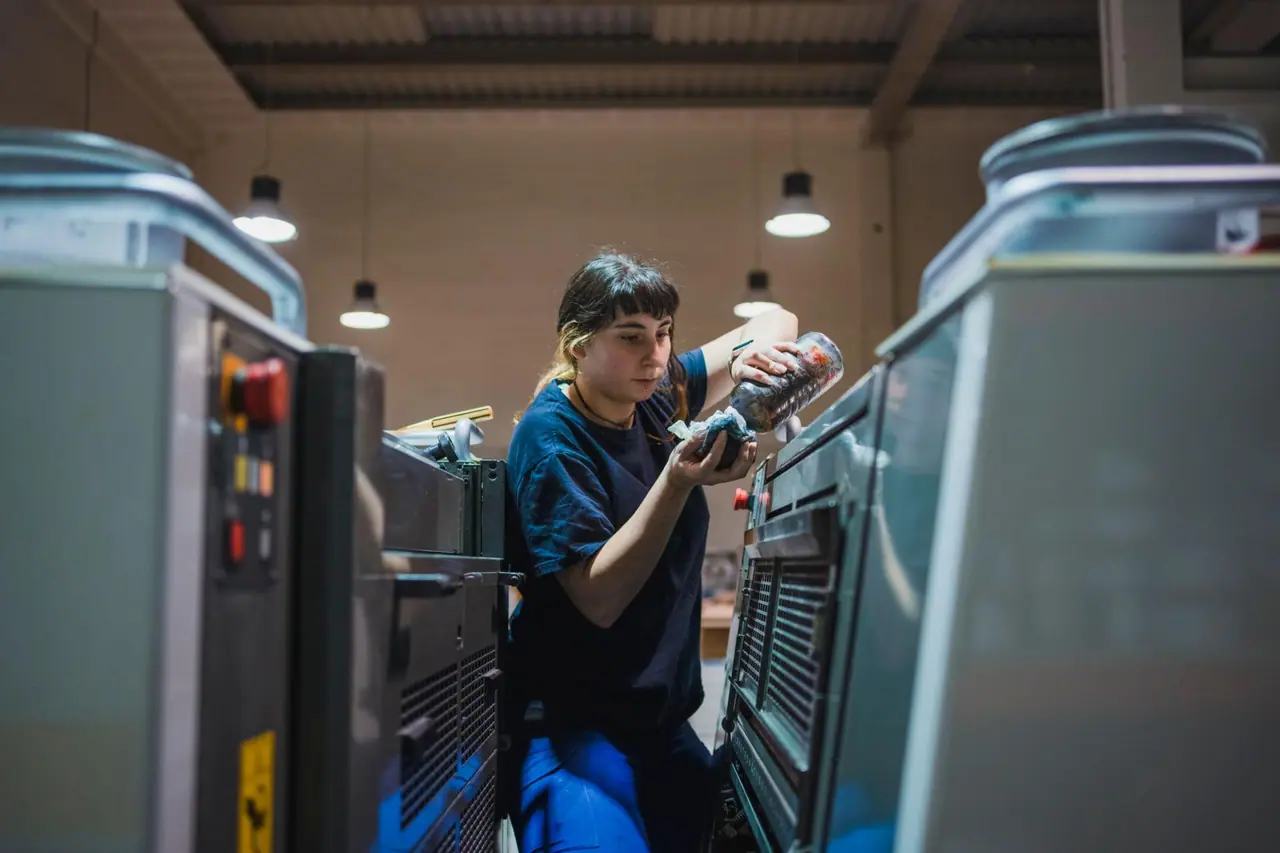
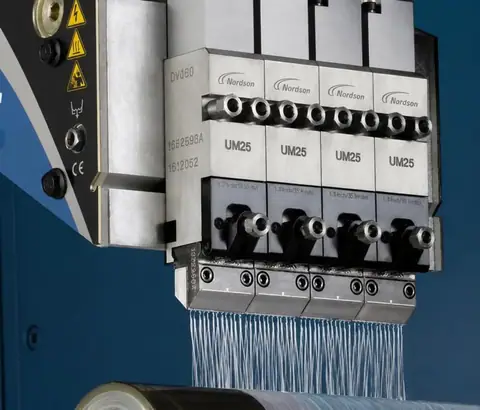

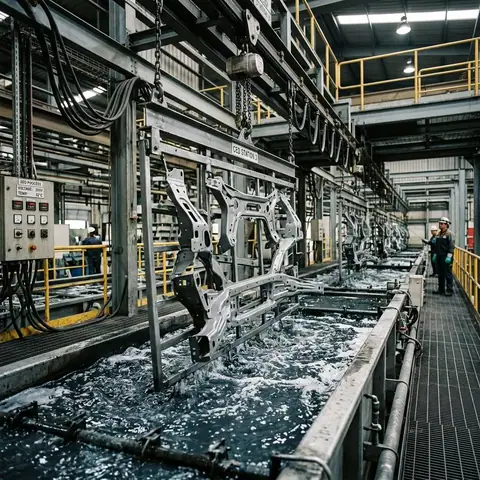

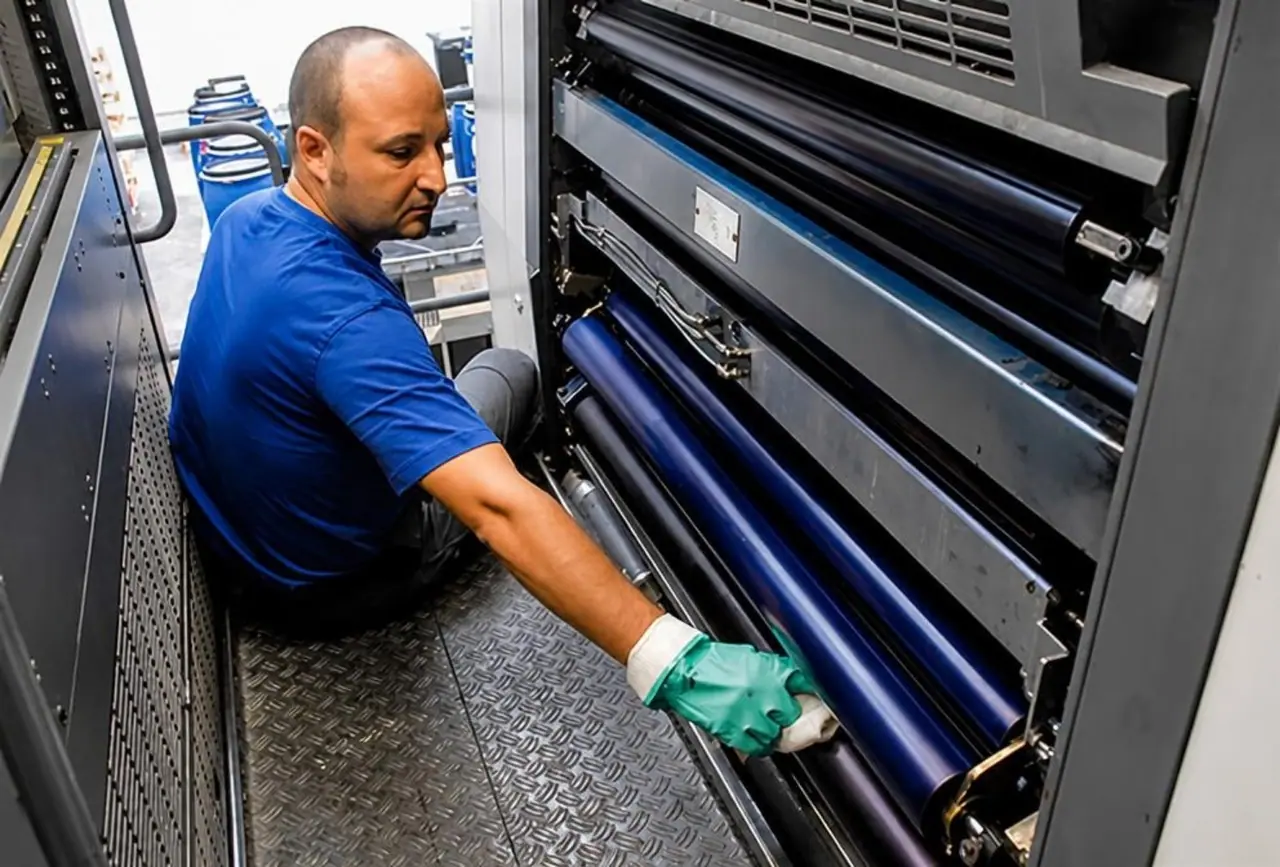
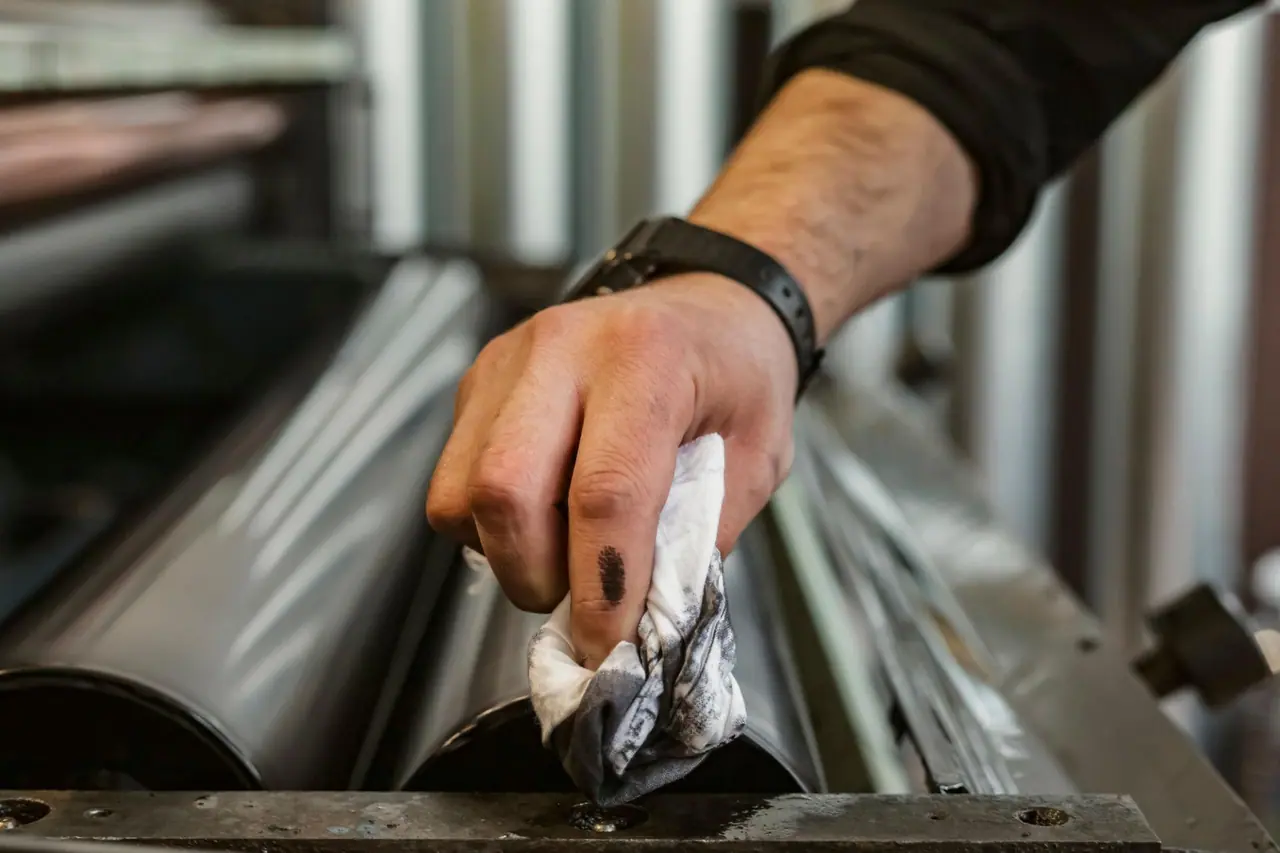
Inks, coating materials and other organic process substances used in printing processes may gradually leave residues on suitable equipment surfaces. Particularly during color changes, production changeovers, maintenance operations and planned shutdowns, organic contamination may need to be removed from certain metal components and auxiliary equipment.
In these cleaning applications, the chemical nature of the contaminant is a primary selection criterion. Suitable solvent-based cleaning systems may be used for organic residues that cannot be readily removed with water. The solvent helps weaken the bond between the residue and the surface by penetrating or dissolving the contaminant. This allows the residue to be removed by wiping, brushing or other appropriate mechanical methods.
Since inks and coating systems do not all have the same chemical composition, a single cleaning approach should not be assumed to be suitable for every process. Water-based, solvent-based and UV-curable printing materials, as well as those based on different resin systems, may have different cleaning requirements. The selected cleaning product should therefore be evaluated for compatibility with both the residue and the equipment surface to be cleaned.
The effects of solvents on rubber, plastic, elastomeric, painted or specially coated surfaces should be considered separately. For printing cylinders, rollers and other sensitive process components, the maintenance instructions provided by the equipment and consumables manufacturers should take precedence.
From this perspective, organic residue removal is a technical maintenance application distinct from general machinery cleaning and requires the controlled selection of cleaning products according to the chemical characteristics of the contaminant.
Product ınformatıon
- Industrial Cleaning and Degreasing Solvent, Organic Green Solvent