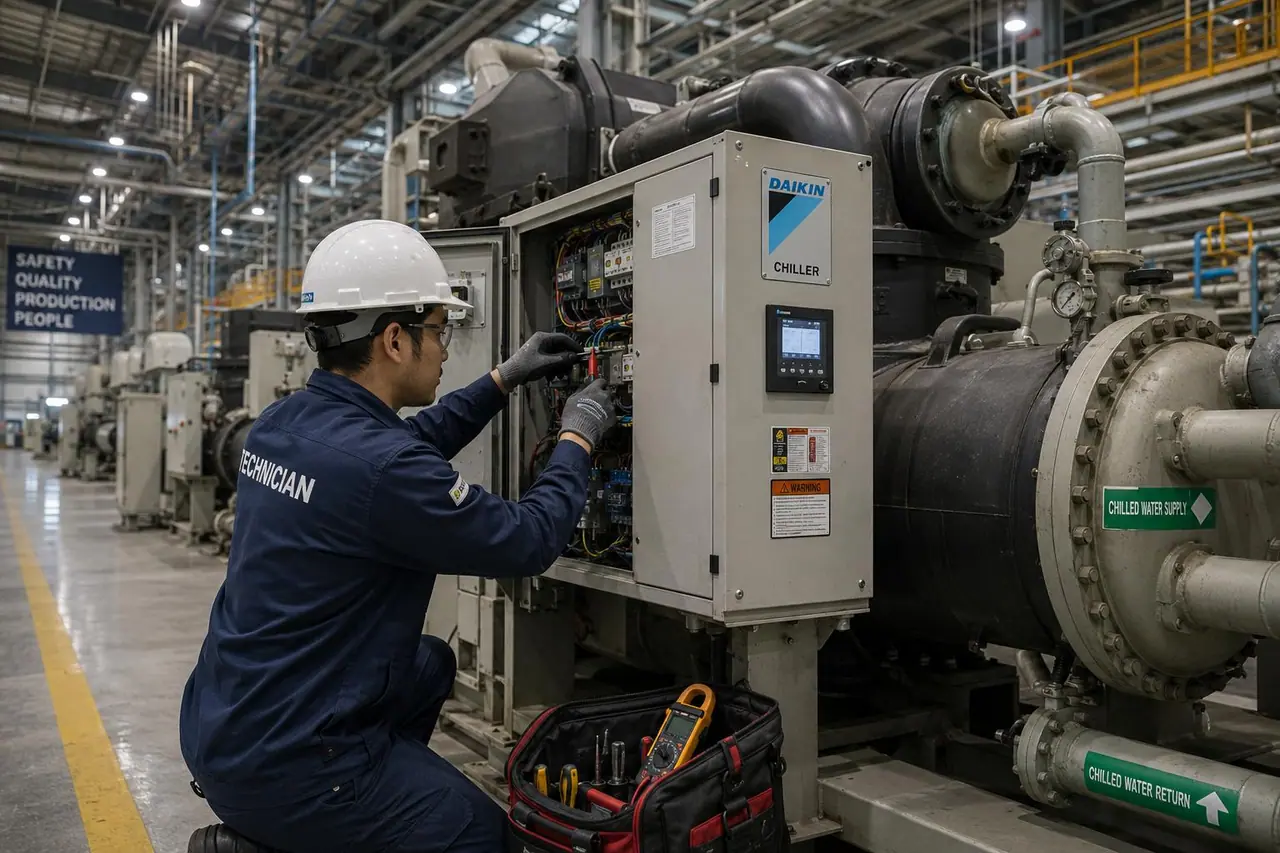

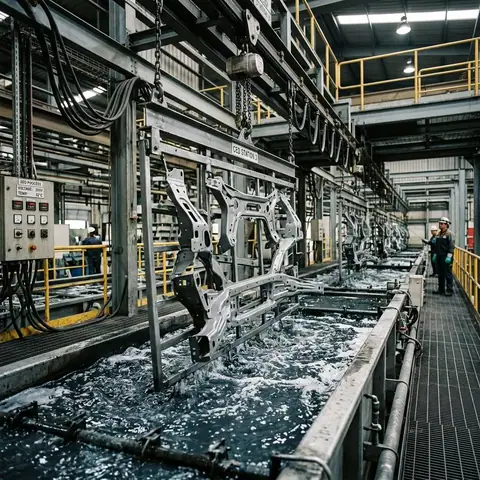

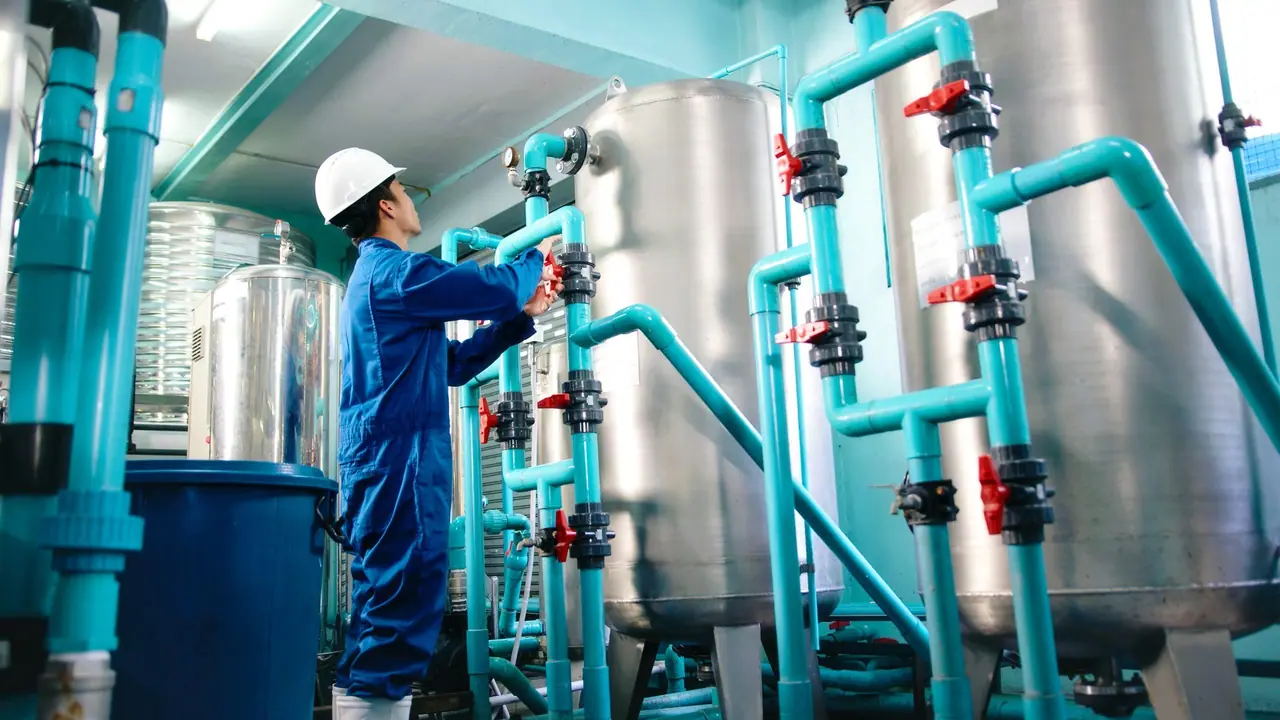
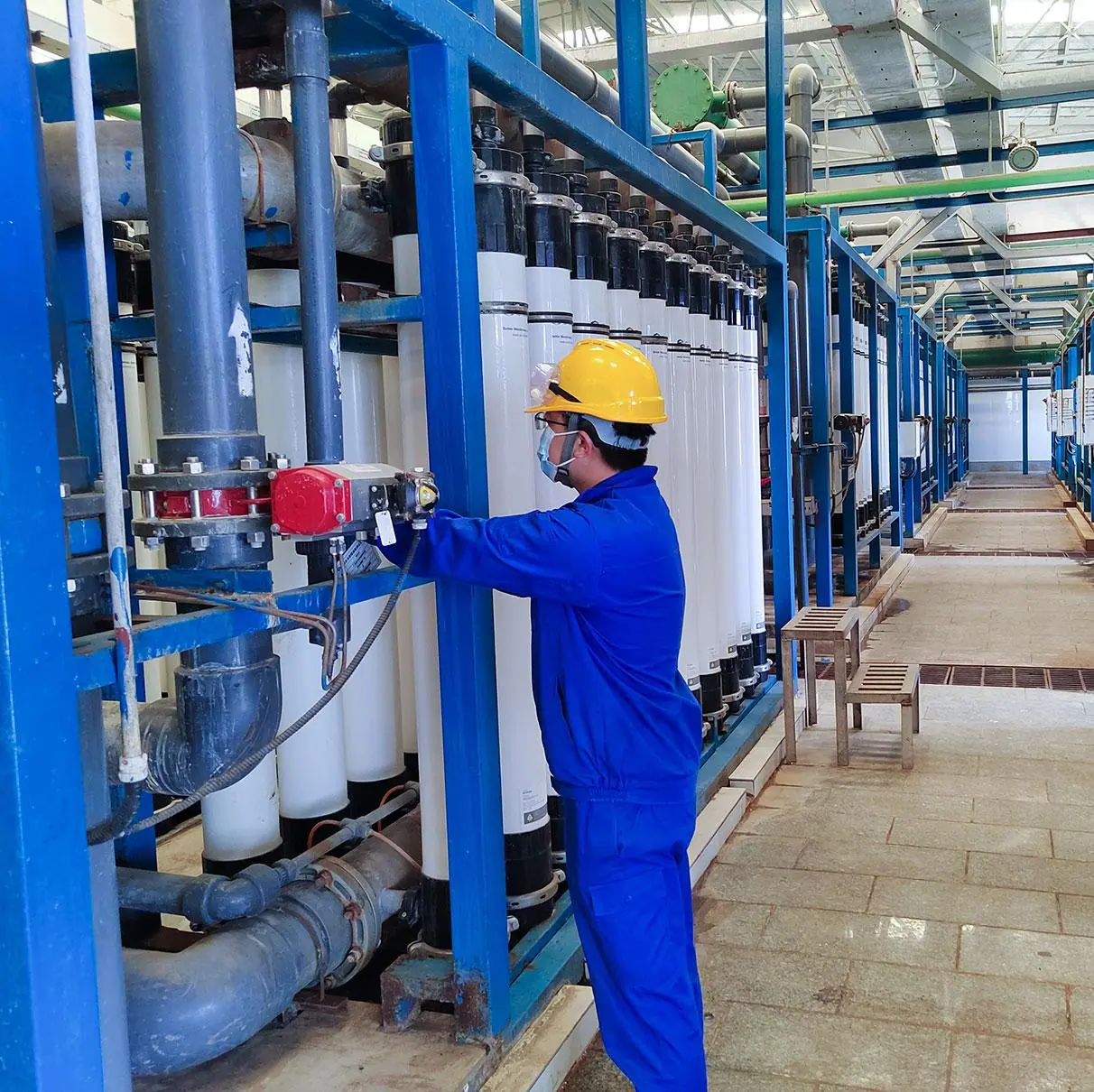
In medium- and large-scale wood, furniture and panel manufacturing facilities, water-based cooling systems may be used to control the operating temperatures of presses, process machinery and auxiliary equipment. Cooling towers, chiller systems, heat exchangers, and open-loop or closed-loop process water circuits are among the key components of this infrastructure. Depending on the chemical composition of the circulating water, temperature and operating conditions, scale, mineral deposits, sediment and corrosion may develop within these systems over time.
Mineral deposits forming on heat-transfer surfaces, in particular, can create an insulating layer that restricts heat transfer between the surface and the circulating fluid. Sediment may also cause undesirable build-up within water circulation lines and equipment. For this reason, the chemical maintenance of water systems involves two complementary approaches: removing existing deposits and controlling the formation of new deposits.
During periodic maintenance, suitable scale and deposit removers may be used to remove accumulated mineral deposits from the system under controlled conditions. During normal operation, chemical water treatment may be applied to control scale formation and corrosion, taking into account water hardness, mineral content and the metals present within the system.
The scope of chemical treatment should be determined based on water analysis, system design, operating temperature, the metals and other materials used within the system, and the technical requirements specified by the equipment manufacturer. Water treatment chemicals should therefore be regarded not as chemicals used directly in the processing of wood materials, but as technical solutions for managing the operating conditions of the auxiliary systems that support the production process.
Product ınformatıon
- Concentrated Heavy-Duty Mortar, Concrete and Limescale Cleaner, Process Water Scale and Corrosion Inhibitor