
Hot melts are among industry's most used adhesives thanks to fast setting, solvent-free chemistry and easy automation. But the polymer base is the biggest factor in performance.
EVA (ethylene vinyl acetate)
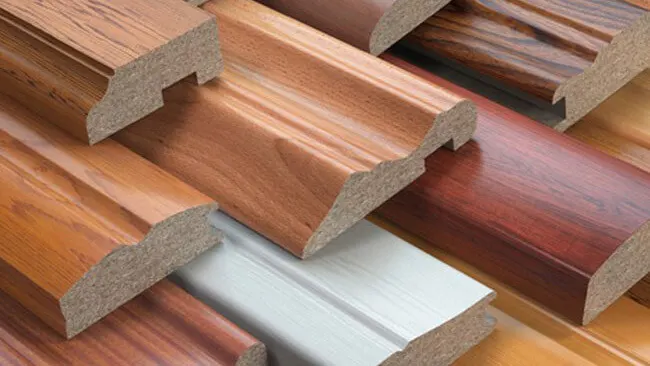
The most common and economical type, used widely in edge banding, packaging, bookbinding and assembly. Good heat resistance; limited resistance to solvents and plasticisers.
PO / APAO (polyolefin)
A narrow molecular weight distribution gives excellent thermal stability. Little charring, low odour and low fogging make it the choice for automotive interiors. Low density means fewer kilograms for the same volume.
CoPA (copolyamide)
For applications needing high heat resistance and resistance to solvents and plasticisers. Reliable in technical textiles, filters and soft PVC bonding.
Bio-based
Formulated with renewable raw materials, cutting the carbon footprint while keeping conventional hot melt performance.
Comparison
| Property | EVA | PO | CoPA | Bio-based |
|---|---|---|---|---|
| Cost | Low | Medium | High | Medium |
| Heat resistance | Good | High | Very high | Good |
| Thermal stability | Good | Very good | Good | Good |
| Chemical resistance | Low | Low | High | Low |
| Odour | Slight | Very low | Low | Low |
| Typical use | Furniture, packaging | Automotive, filters | Textiles, filters | Packaging |
Reactive alternatives
If permanent water and heat resistance is needed, consider PUR or POR reactive hot melts instead of thermoplastic hot melts.
Let's choose the right polymer for your application together.