
One of the most frequent questions from furniture and building component makers is: "Should I stay with EVA or move to PUR?" The answer depends on your product's service conditions and quality expectations.
How they work
EVA hot melts are thermoplastic. They melt when heated and solidify when cooled, and the process is reversible: reheat the adhesive and it softens again.
PUR reactive hot melts work in two stages. They first build green strength by cooling, then react chemically with ambient and substrate moisture and crosslink. Cured PUR can no longer melt; it becomes a thermoset.
Comparison
| Property | EVA | PUR |
|---|---|---|
| Heat resistance | Approx. 70–90 °C | 130 °C and above (cured) |
| Water and steam resistance | Moderate | Very high |
| Glue line | Thicker | Very thin, almost invisible |
| Application temperature | 180–210 °C | 120–150 °C |
| Consumption | Higher | 30–50% lower |
| Equipment | Standard | Moisture-sealed system |
| Machine cleaning | Simple | Needs discipline |
When PUR?
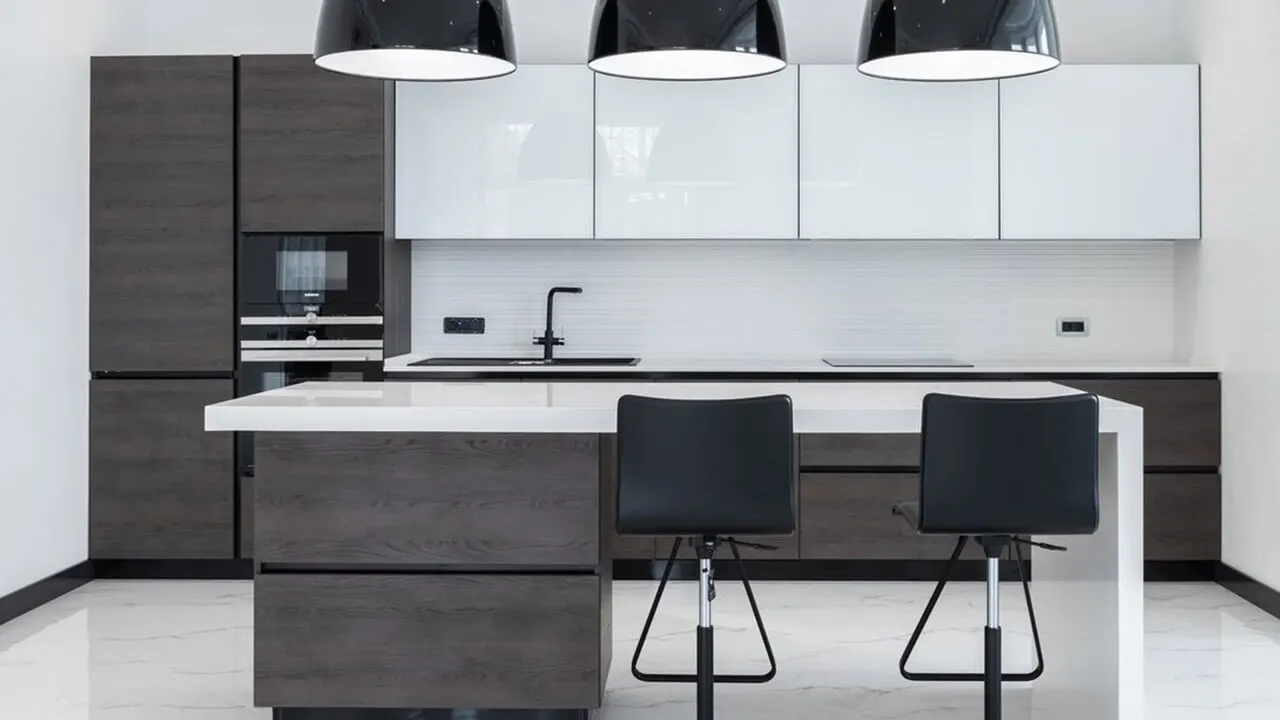
For kitchen and bathroom, laboratory and hospital furniture, appliance panels, high-gloss surfaces and zero-joint looks, PUR is practically essential. Its lower application temperature also helps with heat-sensitive films and edge bands.
When is EVA enough?
For dry interior, office and bedroom furniture, EVA offers low cost, easy handling and wide compatibility.
Cost impact
PUR costs more per kilogram, but lower coat weights, fewer complaints and premium positioning often balance the total cost.
A middle path: PO and POR
If you want high heat resistance without PUR's safety requirements, PO hot melts and silane-reactive POR grades are a good compromise.
Let's plan your switch together: our technical team supports line trials, machine compatibility and cleaning procedures.