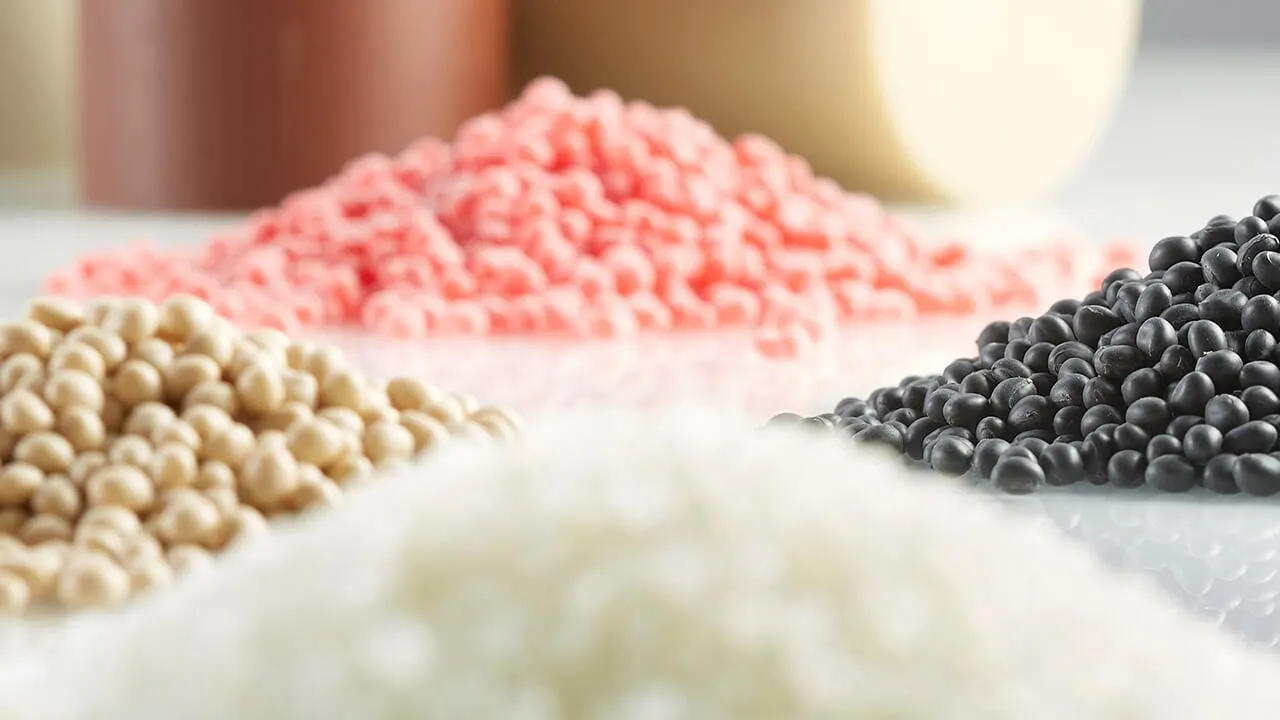

Silane-terminated polymers, also called STP, MS polymers or hybrid polymers, are rapidly replacing classic PU and silicone products in assembly and sealing.
How do they work?
MS polymers cure by reacting with moisture in the air, starting at the surface and moving inwards. The result is an elastic, non-brittle bond that damps vibration.
Key advantages
- Free of isocyanates, solvents and silicone: safer for workers and paintable.
- Primerless adhesion: built-in adhesion promoters often bond metal, plastic, wood, glass and mineral surfaces without pretreatment.
- Elastic joint: joins materials with different thermal expansion.
- Adhesive and sealant in one: assembly and sealing with a single product.
2C SE hybrid: flexibility meets strength
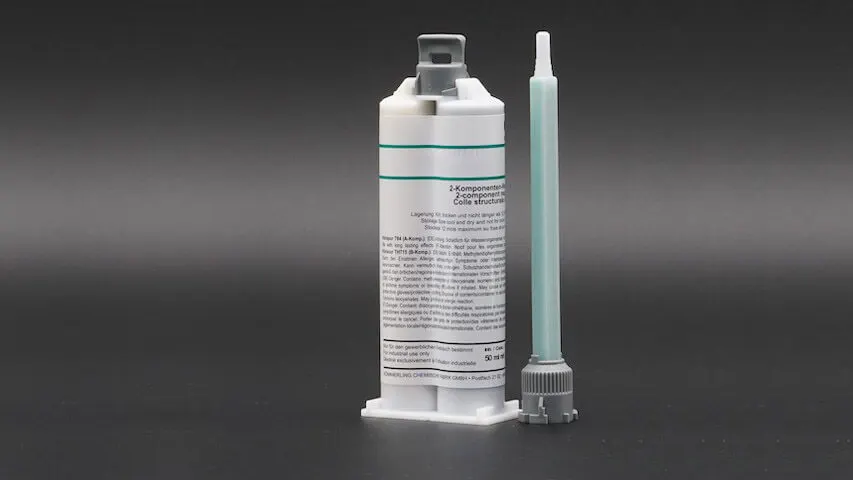
Two-component SE hybrids combine MS polymer flexibility with epoxy strength. They cure evenly regardless of humidity and layer thickness, so even thick joints cure through. Mix-ratio deviations of up to 15% do not harm adhesion, making them reliable on site and in series production.
Where are they used?
| Application | Recommended system |
|---|---|
| Panel and profile assembly | MS polymer |
| Caravan and vehicle interiors | MS polymer / 2C hybrid |
| Structural metal-to-wood joints | 2C hybrid |
| Joint filling and sealing | MS polymer |
| Concrete and mineral surfaces | 2C hybrid |
Limitations
MS polymers reach lower final strength than epoxies. For very highly loaded structural joints, consider 2C epoxy or 2C PU.
Let's choose the right system for your assembly together.