


Reliable bonding between different plastic materials
Assembly processes optimized for high production speeds
Long-lasting and durable component assemblies
Applıcatıon descrıptıon
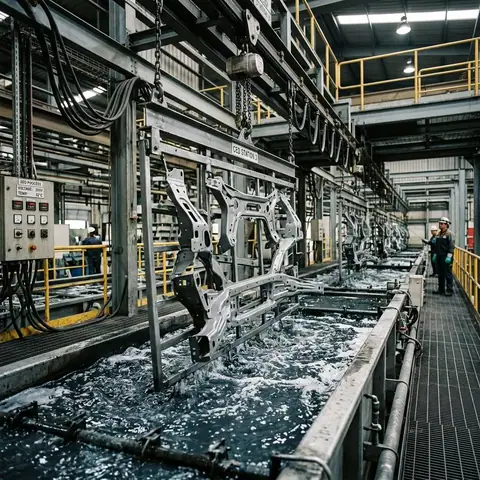
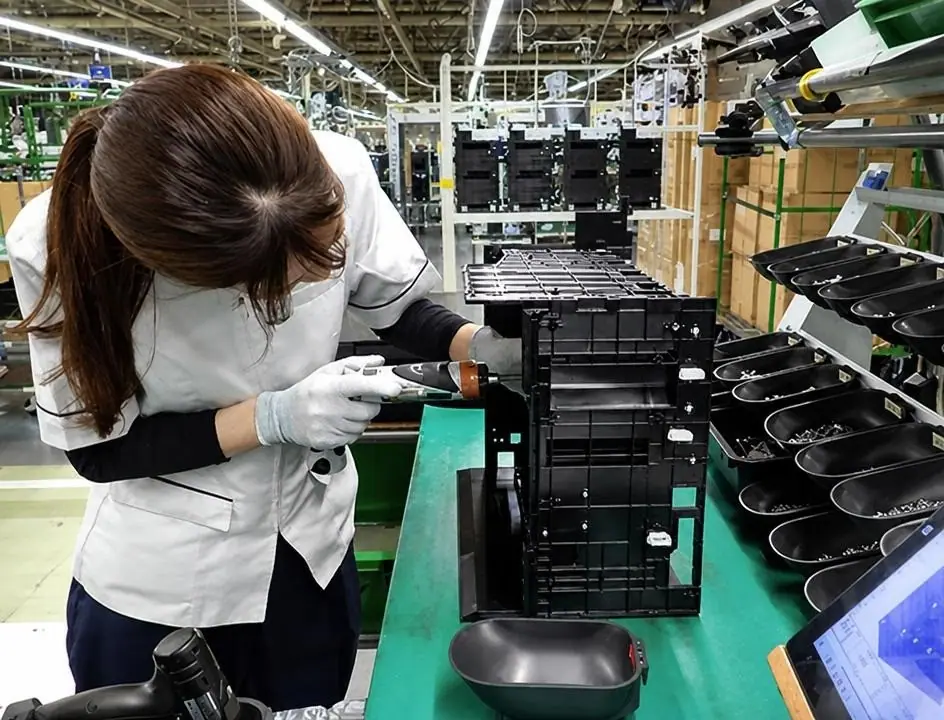
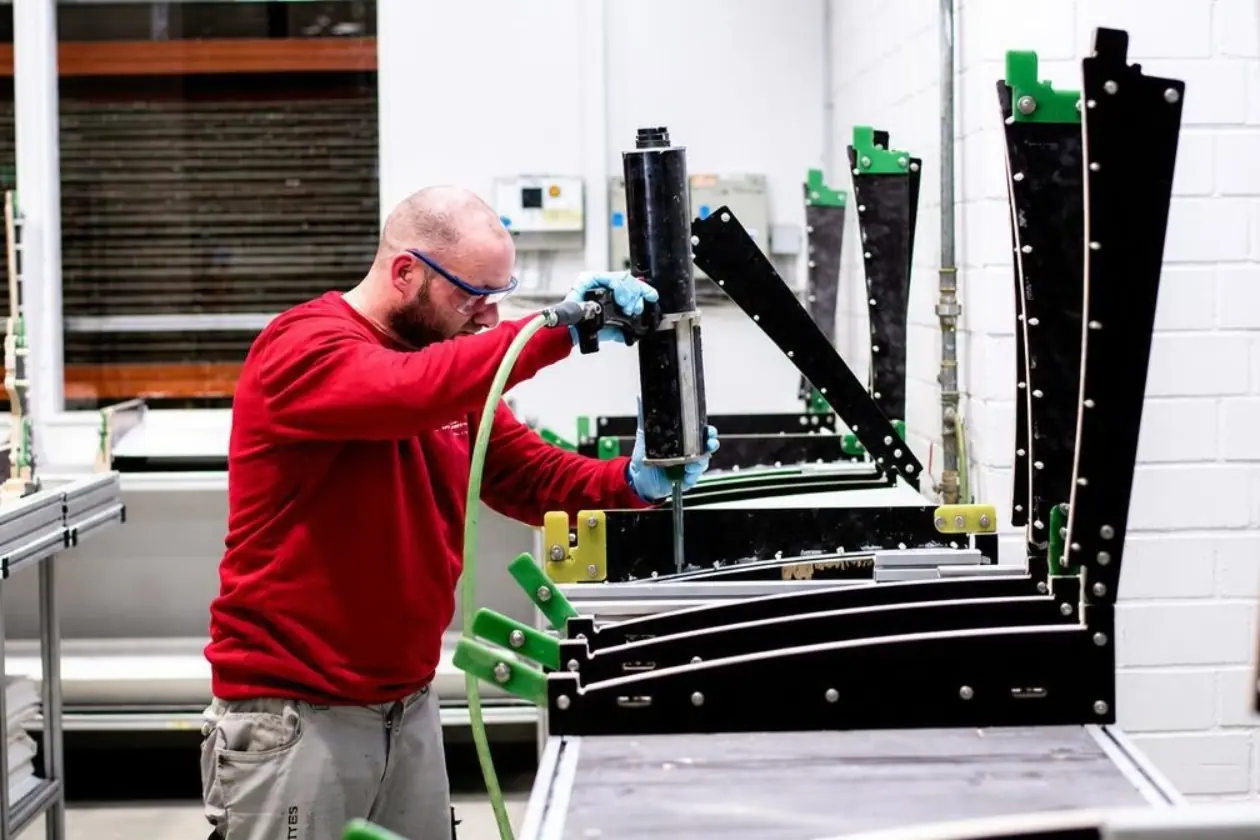
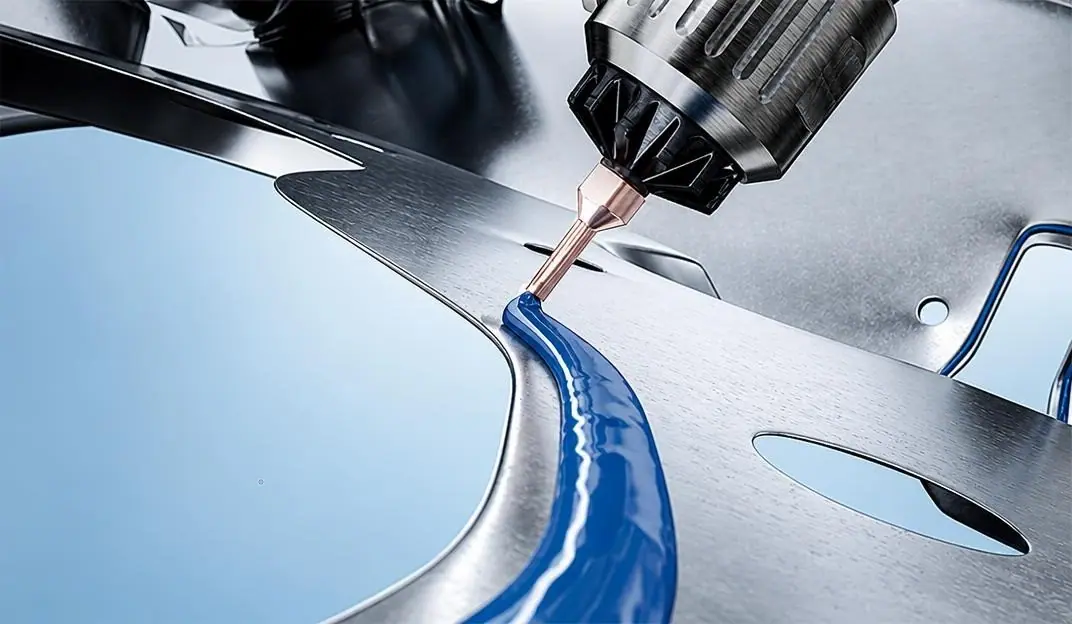
Plastic component bonding and assembly applications are among the primary joining methods used in modern plastics manufacturing. Components produced through injection molding, extrusion, thermoforming, and similar manufacturing processes undergo various assembly operations to create the final product. The bonding of plastic components to one another, or to materials such as metal, glass, wood, and composites, is widely employed across numerous industries.
Compared with conventional mechanical fastening methods, adhesive technologies distribute loads over a larger surface area, reducing stress concentrations within the assembly. They also eliminate the need for visible mechanical fasteners, support lightweight product designs, and readily accommodate complex component geometries. These advantages make adhesive bonding particularly suitable for applications requiring high aesthetic standards and precise assembly.
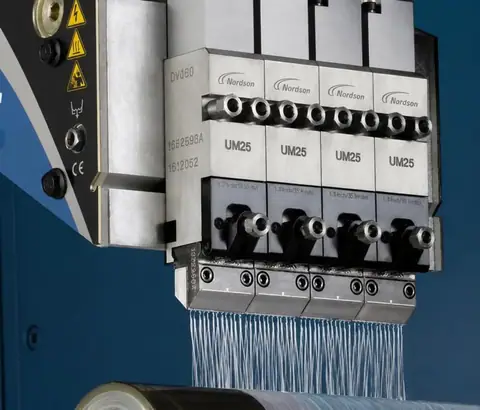
Because plastic materials differ significantly in their chemical composition and surface characteristics, proper surface preparation and optimized process parameters are essential. Surface cleanliness, application temperature, open assembly time, bonding pressure, and curing conditions all have a direct influence on the long-term performance of the bond. Automated application systems enable precise control of adhesive dosage, helping to ensure consistent production quality, process repeatability, and standardized manufacturing performance.
Product ınformatıon
- Senta BONDAX, Senta SOLVAX, Senta MELTAX (EVA Hot Melt Adhesive / PUR Hot Melt Adhesive), Jowacoll, Jowatherm (EVA Hot Melt Adhesive), Jowatherm-Reaktant (PUR Hot Melt Adhesive)